Song Meaning
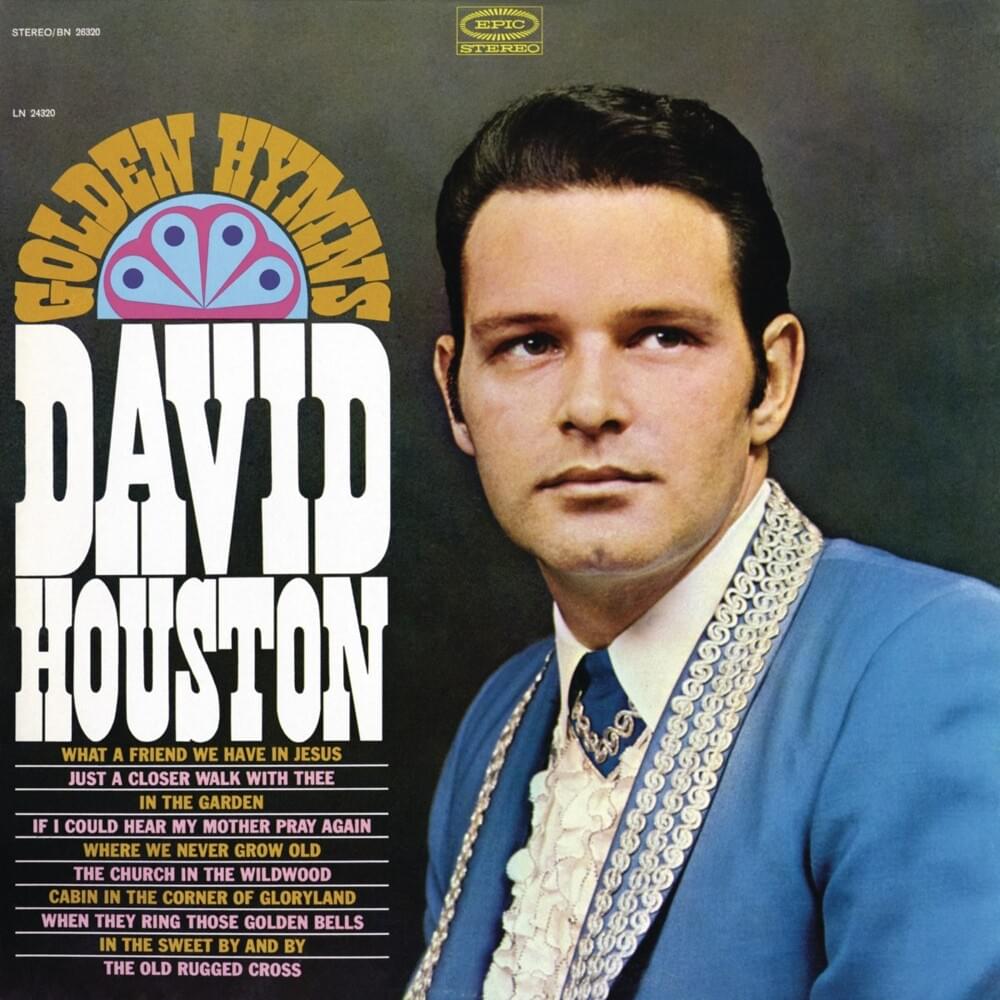
{"song_id": 11900276, "meaning": "David Houston's rendition of \"What A Friend We Have In Jesus\" isn't just a hymn; it's a stark exploration of the human condition refracted through the lens of faith. The song's power lies in its simple, direct language, cutting through theological complexity to address a fundamental human need: the yearning for solace in the face of suffering. It posits Jesus not as a distant deity, but as an empathetic companion, a confidant willing to shoulder the \"sins and griefs\" that weigh us down. The core message revolves around the idea that much of our pain is self-inflicted, born from a reluctance to seek divine help. Houston's delivery, steeped in country gospel tradition, underscores the accessibility of this comfort, implying that relief is always available through prayer. This isn't about grand gestures or elaborate rituals; it's about the quiet, intimate act of unburdening oneself to a higher power.
The lyrics delve into the psychological burden of unexpressed pain. Phrases like \"needless pain we bear\" and \"cumbered with a load of care\" highlight the unnecessary weight we carry when we isolate ourselves in our struggles. The song subtly critiques our tendency to rely on our own limited resources, suggesting that true strength lies in vulnerability and surrender. The verses addressing abandonment (\"Do thy friends despise forsake thee\") speak to the universal fear of isolation, offering prayer as an antidote to loneliness. The promise of refuge and solace in God's arms directly confronts this fear, providing a sense of security and acceptance.
Ultimately, \"What A Friend We Have In Jesus\" is a powerful testament to the transformative potential of faith. It's a reminder that even in the darkest moments, we are not alone, and that by turning to prayer, we can find a path towards healing and peace. David Houston's performance anchors this message in a tangible reality, making it resonate deeply with anyone who has ever felt the weight of the world on their shoulders. The song's enduring appeal lies in its ability to offer a simple, yet profound, solution to the complexities of human suffering."}
 View Artist