Song Meaning
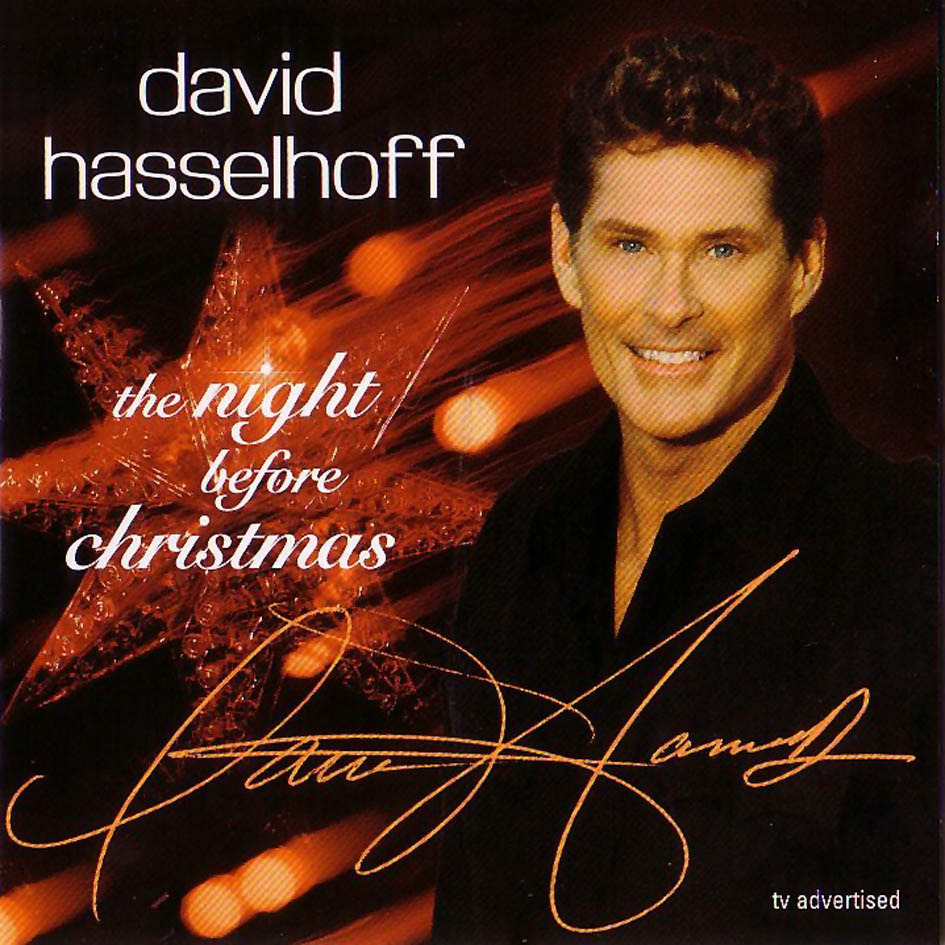
David Hasselhoff's rendition of "White Christmas" isn't merely a seasonal carol; it's a poignant exploration of nostalgia and the idealized past, viewed through the lens of collective cultural memory. The lyrics, deceptively simple, tap into a deep-seated longing for a pristine, untainted holiday experience – a 'white Christmas' as a metaphor for purity and innocence. It's a yearning for a time 'just like the ones I used to know,' suggesting a present-day reality that falls short of this idyllic standard. The glistening treetops and children listening for sleighbells evoke a sensory richness that's often absent in the modern, commercialized holiday season.
The repetition of 'I'm dreaming of a white Christmas' underscores the aspirational nature of this desire. It's not necessarily a reflection of past reality, but rather a projection of what we wish the holidays could be. Each Christmas card written becomes an act of perpetuating this dream, a conscious effort to maintain the illusion of a 'merry and bright' existence. There's a subtle undercurrent of melancholy here, a recognition that the idealized past is unattainable, yet the act of dreaming provides solace.
Hasselhoff's interpretation, viewed through a psychological lens, highlights the human need for ritual and tradition as anchors in a rapidly changing world. The 'white Christmas' becomes a symbol of stability and continuity, a reminder of simpler times when community and shared experiences held greater sway. Whether or not such a past ever truly existed is almost irrelevant; the power lies in the collective belief in its possibility, and the shared act of dreaming it into existence each year.
 View Artist