Song Meaning
David Hasselhoff's rendition of "Love Me Tender" isn't just a cover; it's a fascinating study in the performance of vulnerability. Stripped bare, the lyrics are deceptively simple: a direct plea for affection, security, and enduring commitment. The repetition of phrases like "Love me tender, love me true" and "For my darlin', I love you, And I always will" functions almost as a mantra, a repeated affirmation designed to both convince the object of affection and perhaps, more subtly, to reassure the singer himself. The song's emotional core revolves around a yearning for wholeness, as expressed in the line, "You have made my life complete."
However, the true complexity emerges when considering Hasselhoff's persona. Known for his larger-than-life roles and self-aware camp, his delivery infuses the song with a layer of irony. Is this genuine sincerity, or a performance of sincerity? The listener is left to grapple with the tension between the raw emotional need expressed in the lyrics and the potentially detached, performative nature of the singer. It’s a meta-commentary on love itself: the inherent vulnerability required to ask for it, and the ever-present possibility of that vulnerability being exploited or mocked.
Ultimately, Hasselhoff's "Love Me Tender" becomes a surprisingly poignant exploration of the human condition. The song meaning resides not just in the words themselves, but in the space between the stated desire and the potential for disillusionment. By embracing the inherent theatricality of the song, Hasselhoff forces us to confront the precarious nature of love and the courage it takes to ask for it, even when shielded by layers of irony and self-awareness.
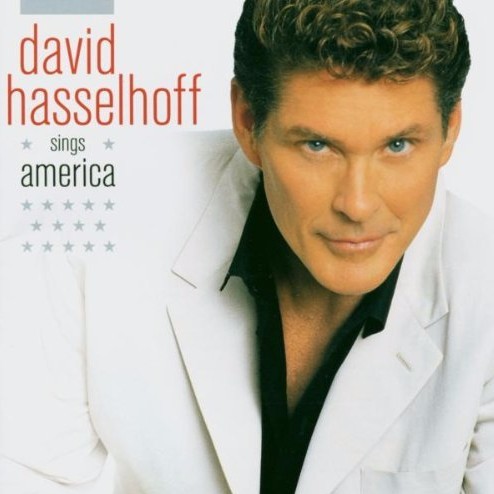
 View Artist