Song Meaning
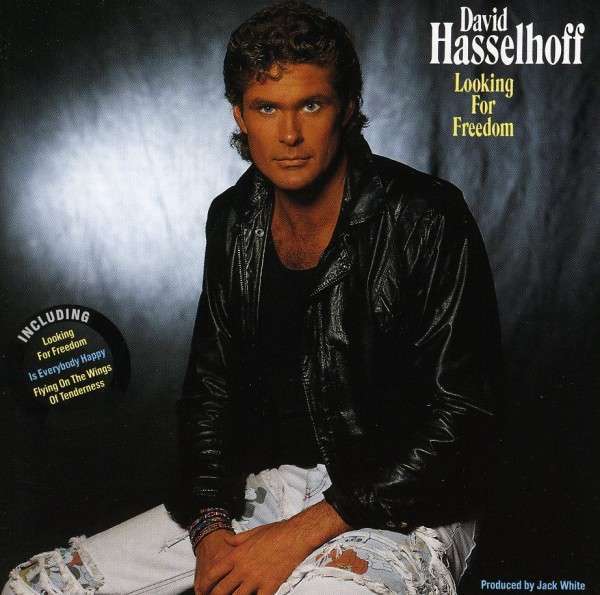
David Hasselhoff's "Love Massage" isn't quite what the title might suggest at first blush. Shedding the possible humorous interpretations, the song delves into a fairly straightforward, if somewhat generic, exploration of regret and longing. The lyrics paint a picture of a man grappling with the fallout from a failed relationship, one he initiated himself. The opening lines, "Really tho't that I could live without you / Really tho't that I could make it on my own," immediately establish the theme of misguided independence and the subsequent realization of its cost. It's a familiar narrative arc: the initial confidence of self-sufficiency giving way to the stark reality of loneliness. The repetition of "I let you go" underscores the singer's agency in the breakup, amplifying the sting of his current predicament. He's not a victim of circumstance, but rather a casualty of his own misjudgment. This self-awareness, however, doesn't seem to spark any significant personal growth, as the song remains mired in the emotional quicksand of self-pity. The song's meaning dwells in the familiar territory of romantic regret, but lacks a certain degree of self-awareness, as the singer seems unable to move beyond the expression of his sorrow.
The recurring motif of "Lonely is the night" serves as the song's emotional anchor, a stark declaration of the singer's isolation. This phrase, repeated and reinforced throughout the song, becomes almost a mantra of despair. It's during these lonely nights that the facade of daytime resilience crumbles, revealing the raw vulnerability beneath. The lyrics, "I can make it through the day / I can fake it okay / I just smile and pretend," offer a glimpse into the singer's coping mechanisms, or rather, his attempts to mask his true feelings. This facade, however, is unsustainable, as the loneliness inevitably creeps back in with the setting sun. The song's emotional core resides in this contrast between daytime pretense and nighttime vulnerability.
Ultimately, "Love Massage" presents a portrait of a man caught in a cycle of regret and longing. While the lyrics lack sophisticated metaphors, the song's directness conveys the singer's raw emotional state. The desire to "get you back" and the acknowledgement that "this world just ain't right" without his former partner underscore the depth of his dependence. However, the song stops short of offering any concrete solutions or pathways to reconciliation. The meaning remains trapped in the emotional present, a snapshot of a man wallowing in his loneliness, clinging to the hope of reunion, but without a clear path forward. While the song may not break new ground thematically, it provides a relatable, if somewhat simplistic, exploration of the universal experience of heartbreak.
 View Artist