Song Meaning
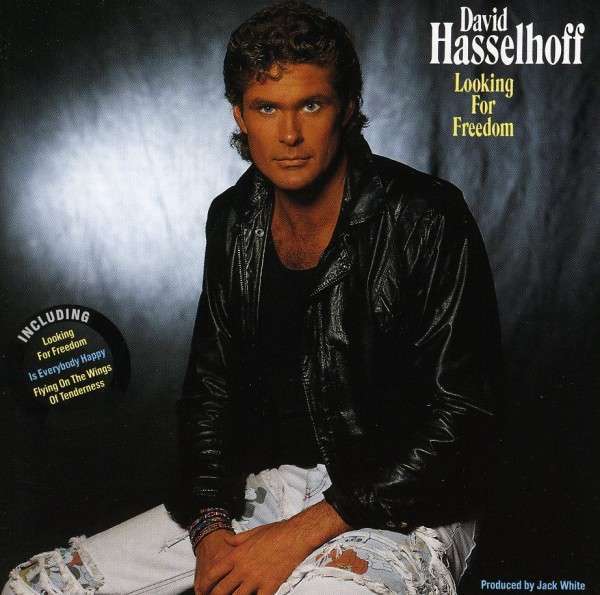
David Hasselhoff's "Is Everybody Happy" isn't subtle; it's a full-throated, neon-drenched anthem of forced levity. The song meaning orbits around a central, almost desperate plea: ignore your problems and embrace manufactured joy. Hasselhoff, ever the showman, urges listeners to "forget your troubles," promising a celebration so intense it erases all sorrow. It's a bold proposition, and one that hinges on the temporary suspension of disbelief. The very repetition of "Is everybody happy?" feels less like a genuine question and more like a command, a demand for collective participation in a charade. There's an undercurrent of anxiety lurking beneath the surface of this relentless optimism.
The lyrics themselves acknowledge the existence of "worries," "sorrow," and even the potential for "deep deep depression." This acknowledgement, however, is quickly brushed aside with the promise of fun and communal escape. The idea of a "gang up" to combat personal struggles suggests a belief in the power of collective distraction. It's a strategy of overwhelm – burying individual pain under a mountain of shared, albeit superficial, enjoyment. The song's insistence on fighting negativity to avoid depression, further highlights a fear of confronting deeper emotional issues.
Ultimately, "Is Everybody Happy" functions as a survival mechanism, albeit a potentially unsustainable one. It's a musical pressure valve, releasing pent-up anxieties through a burst of manufactured enthusiasm. While the song offers a temporary reprieve from the weight of existence, the question lingers: what happens when the music stops? The lyrics never offer a real solution, only a fleeting escape. The song analysis boils down to this: Hasselhoff's track is a potent, if somewhat hollow, reminder of our deep-seated desire to avoid pain, even if it means embracing a carefully constructed illusion of happiness.
 View Artist