Song Meaning
The lyrics paint a picture of a complex, almost adversarial relationship, where past hurts are met with a surprising capacity for grace and reconciliation. The narrator establishes a defiant stance, asserting their ability to overcome betrayal, even mirroring the actions of their former lover. This isn't just about moving on; it's about demonstrating a resilience that can even offer forgiveness where it might not be expected. The repeated conditional phrases, "Si tu as pu... Je peux..." (If you could... I can...), build a powerful sense of agency and emotional control.
The central tension lies in the push and pull between past pain and present potential for healing. The narrator acknowledges being hurt, betrayed, and even "fusiller" (shot down), yet they pivot to offering solace and support. This duality is encapsulated in the recurring phrase "belle ennemie" (beautiful enemy), suggesting a lover who is both cherished and a source of conflict. The night itself, "tendre" (tender), becomes a space where these opposing forces can coexist and perhaps resolve.
The lyrical craft shines in its clever use of parallel structure and evocative imagery. The repetition of "Tendre, tendre est la nuit" creates a soothing, almost hypnotic atmosphere, contrasting with the sharp edges of past grievances. The wordplay in "T'attendre, t'étendre, te surprendre" (waiting for you, stretching out, surprising you) creates a sense of anticipation and intimacy within the nocturnal setting. The idea that "La vie est belle quand on attend plus rien d'elle" (Life is beautiful when you expect nothing from it) offers a profound insight into finding peace by releasing expectations, particularly within this fraught connection.
Ultimately, these lyrics resonate because they capture the difficult, often contradictory nature of deep emotional bonds. The narrator's journey from victim to potential savior, their ability to offer a "gracier" (pardon) and "relever" (lift up) after being wounded, speaks to a profound emotional maturity. The song suggests that true strength isn't just about enduring pain, but about the power to transform it, finding beauty and peace even in the shadow of past conflict.
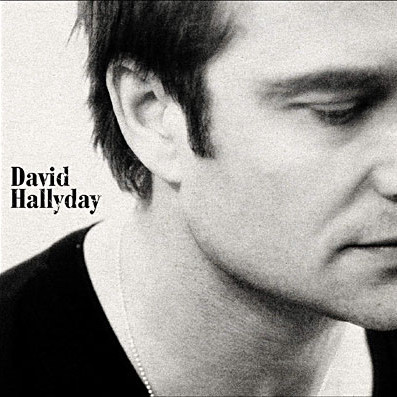
 View Artist