Song Meaning
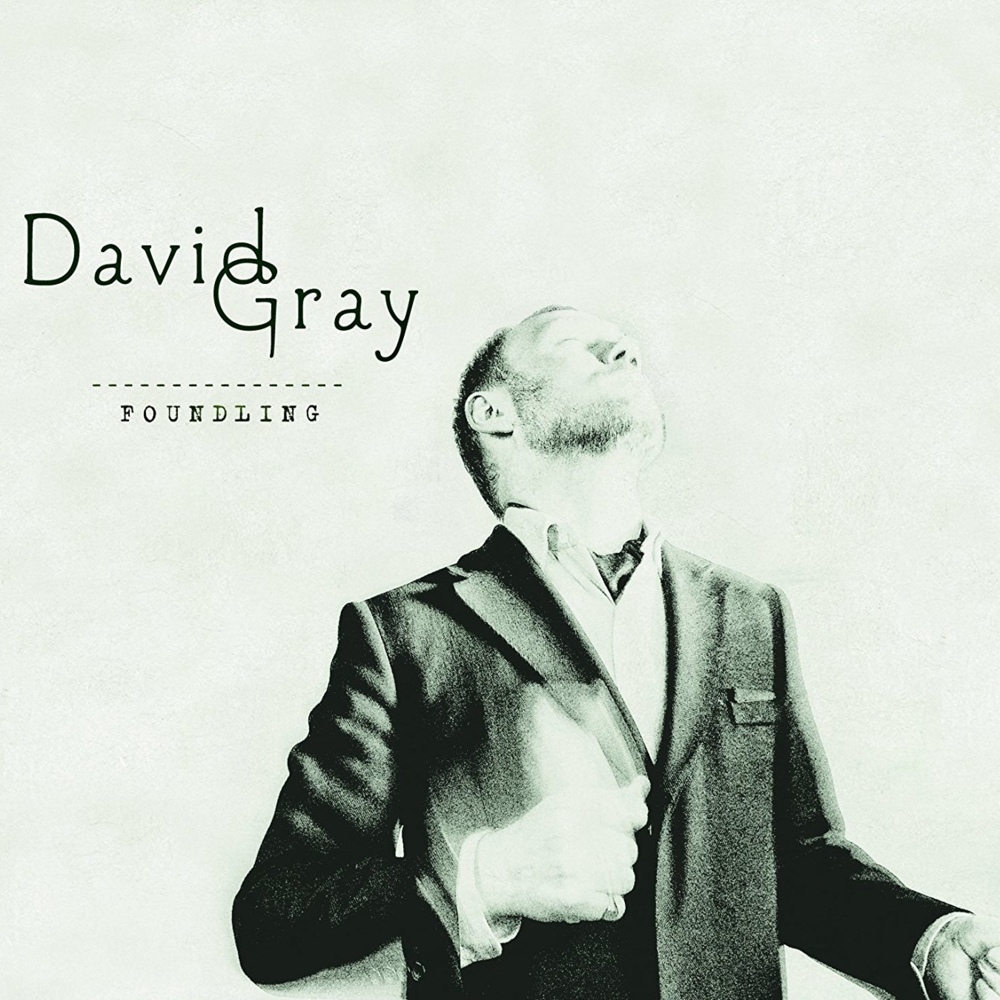
David Gray's "When I Was in Your Heart" isn't a straightforward love song; it's a melancholic post-mortem on intimacy, dissecting the anatomy of a relationship long after the pulse has faded. The opening lines, "Somebody should have told you / I never knew," hint at a fundamental miscommunication, a disconnect that perhaps doomed the affair from the start. The image of a letter "Returning to" suggests a cyclical, unresolved dynamic, a haunting echo of what once was. The phrase "When I was in your heart" acts as both a lament and a temporal marker, pinpointing a period of profound connection now irrevocably lost. This sets the stage for a bleak assessment of the emotional fallout.
The song's stark imagery—"every word is falling / On stony ground"—paints a picture of emotional barrenness. Communication has broken down; vulnerability is met with indifference. The music itself threatens to "lay me down," suggesting a crushing weight of sorrow and regret. The repeated lines, "Because we wanted to / Because we wanted to pretend," cut to the quick of the relationship's failure. It wasn't necessarily a lack of love, but a shared desire for a fiction, a denial of some fundamental incompatibility. This pretense, willingly embraced by both parties, ultimately eroded the foundation of their bond. The pretense is no longer possible, the narrator is looking back at it with mature eyes.
Later verses introduce a cynical edge, a bitterness towards the transactional nature of love and loss. "Someone else is catching / Those gravy trains," implying that another has profited from the narrator's heartbreak. The line about "one poor bastard's loss is / Another's gains" reinforces this sense of injustice and the zero-sum game of relationships. The jarring image of "The Saviour put a bullet / Right through his brains" is perhaps the most unsettling. It could be interpreted as a metaphor for the destructive power of idealized love, or the self-annihilation that can occur when one's sense of self is completely intertwined with another. Ultimately, "When I Was in Your Heart" offers a sobering reflection on the fragility of connection, the seductive power of illusion, and the lingering pain of what once was.
 View Artist