Song Meaning
David Gray's "Lead Me Upstairs" isn't a simple tale of seduction; it's a chilling exploration of emotional vacancy and the seductive power of nihilism. The opening lines, "I care little for my body she said / I couldn't care less about my soul," immediately establish a disturbing lack of investment in the self, a kind of hollow core that draws the narrator in. The promise of being "led upstairs" becomes less about physical intimacy and more about a descent into this emotional abyss. The repetition of the phrase underscores its hypnotic quality, suggesting the narrator is being drawn further and further away from warmth and light, symbolized by the "summer turned cold." This isn't a casual encounter; it's a confrontation with a profound existential void.
The lyrics hint at a pre-existing darkness surrounding the woman. When the narrator mentions "people had been talking / About how dark she was inside," it confirms a reputation, a known quality of bleakness. Her response, that her hopes are "buried in the soil," speaks volumes about past trauma and a present state of resignation. But it's the narrator's own dishonesty that seals his fate. Asked for the truth, he lies, suggesting a complicity in the darkness, a willingness to abandon his own moral compass for the allure of her nihilistic embrace. This moment highlights the song's central theme: the seductive nature of despair and the ease with which one can be drawn into it.
The cyclical structure of the song, returning repeatedly to the offer to "lead you upstairs," emphasizes the inescapable nature of this encounter. It's less a physical act and more a psychological trap. The bridge, with its fragmented "Body, soul," underscores the disintegration of the self in the face of such profound emptiness. The final repetition of the phrase acts as a kind of mantra, trapping the listener in the same loop of despair as the narrator. "Lead Me Upstairs," therefore, is a haunting meditation on the allure of nothingness and the chilling consequences of embracing it. The song meaning resides in the recognition of how easily one can lose themselves in another's darkness.
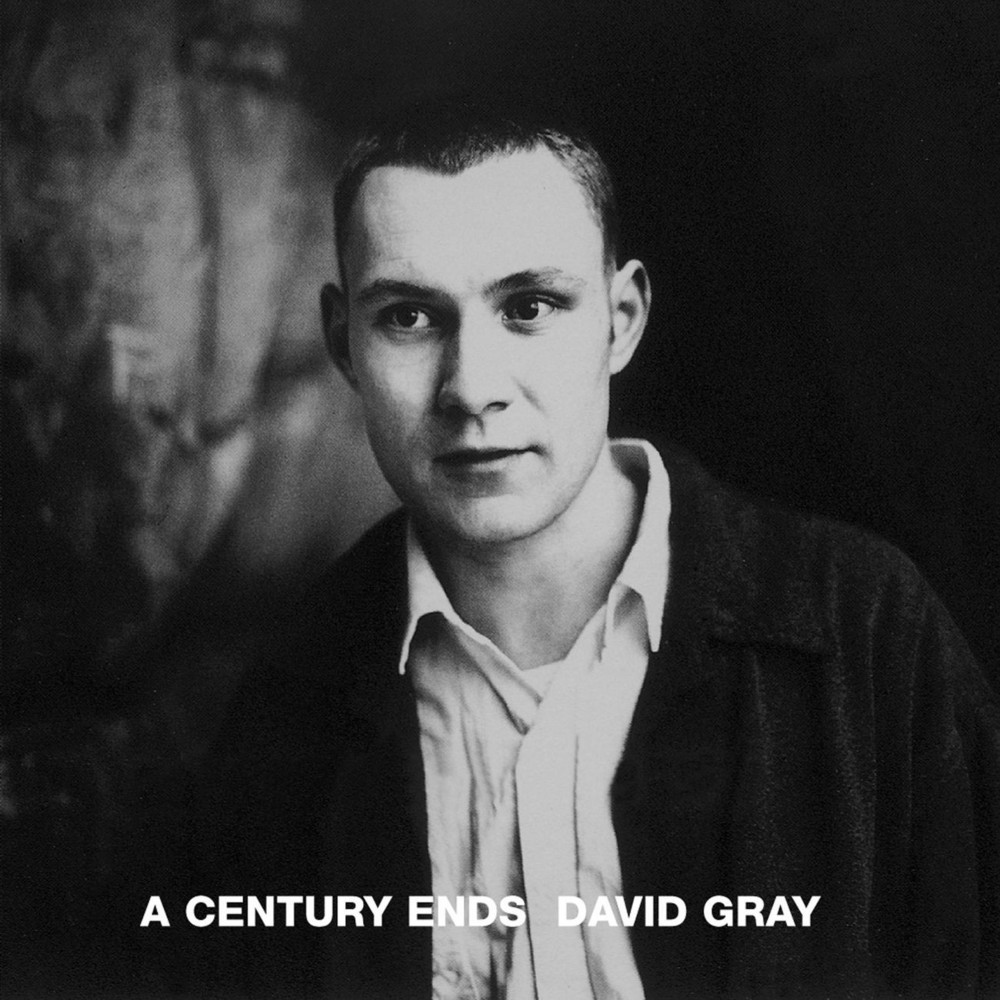
 View Artist