Song Meaning
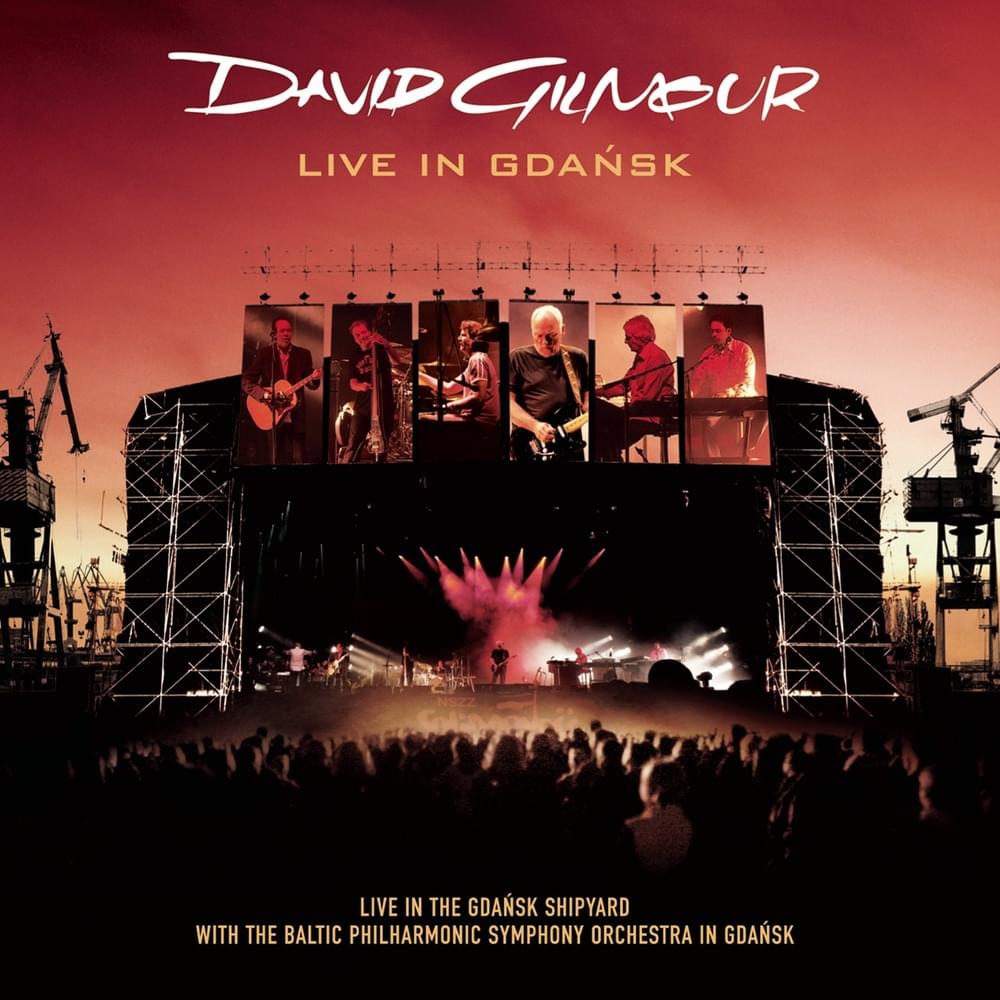
{"song_id": 14339264, "meaning": "David Gilmour's live rendition of \"Wish You Were Here\" in Gdańsk carries a weight that transcends its studio origins. The song, at its core, is a lament – a yearning for authentic connection in a world that relentlessly pushes individuals towards alienation. The opening verses pose a series of stark contrasts: heaven and hell, blue skies and pain, a green field versus a cold steel rail. These aren't merely poetic images; they're psychological pressure points. Gilmour probes at our ability to discern genuine experience from manufactured reality, asking if we've become so numb that we can no longer distinguish joy from suffering, freedom from constraint. It's a challenge to the listener's perceptual acuity and emotional intelligence. The live setting amplifies this feeling, as the shared experience of the concert highlights both the collective and individual senses of isolation. It subtly asks the audience: are *we* all lost souls together?
The subsequent lines delve deeper into the theme of compromised ideals. \"Did they get you to trade your heroes for ghosts?\" cuts with particular sharpness. The question implies a societal manipulation, a systematic erosion of values where genuine inspiration is replaced with hollow figures. The swaps – \"hot ashes for trees,\" \"hot air for a cool breeze\" – speak to a profound sense of loss, a sacrifice of substance for fleeting, ultimately unsatisfying substitutes. The final exchange, trading \"a walk on part in the war for a lead role in a cage,\" is perhaps the most damning. It suggests that many choose the illusion of control and prominence, even if it means sacrificing their freedom and autonomy. This verse underscores a collective failure, a willingness to settle for comfortable confinement over the messy, uncertain struggle for meaningful existence.
The chorus, with its simple yet devastating \"How I wish, how I wish you were here,\" isn't just about physical absence. It’s a cry for a lost sense of shared understanding, a longing for a connection that transcends the superficial. The image of \"two lost souls swimming in a fish bowl\" is claustrophobic and potent, suggesting a repetitive, cyclical existence devoid of genuine progress. The final lines, \"Running over the same old ground / What have you found? The same old fears,\" reinforce this sense of stagnation. Gilmour's performance in Gdańsk infuses this message with an extra layer of poignancy, reminding us that even in moments of collective euphoria, the underlying anxieties of the human condition persist. The song's enduring power lies in its ability to tap into this universal feeling of longing and disillusionment."}
 View Artist