Song Meaning
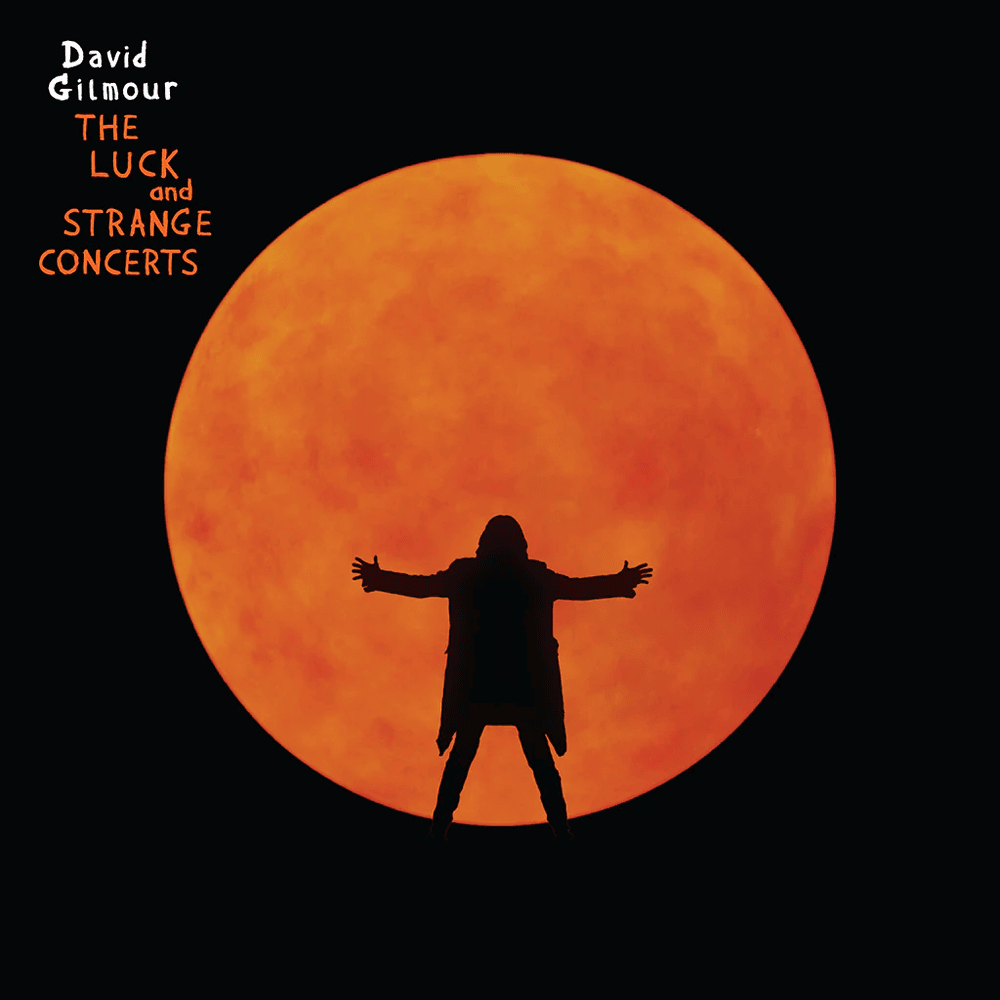
David Gilmour's live rendition of "Wish You Were Here," especially resonant from the Luck and Strange Concerts, serves as a haunting elegy for lost connection and compromised ideals. The opening verses are a brutal interrogation, not just of an absent individual, but of the listener themselves. Gilmour doesn't merely ask if you can distinguish joy from suffering; he challenges whether you've willingly blurred those lines, trading authenticity for illusion. The pointed questions about exchanging heroes for ghosts and trees for ashes cut deep, suggesting a profound disillusionment with the choices made in pursuit of comfort or perceived security. It's a stark portrayal of selling out, not necessarily in a commercial sense, but in a deeply personal, existential one.
The instrumental break offers a brief moment of melancholic reflection, a sonic pause before the heart of the song's yearning is laid bare. The chorus, stark in its simplicity, is the emotional core. "How I wish you were here" isn't just a sentimental longing; it's an acknowledgment of a shared void, a missing piece that resonates with the collective experience of alienation. The image of "two lost souls swimming in a fish bowl" is particularly potent, capturing the feeling of being trapped in a cycle of repetition and fear. It’s a potent image of shared stagnation, hinting that perhaps the missing 'you' is also trapped in their own self-imposed prison.
Ultimately, "Wish You Were Here" transcends a simple expression of absence. It's a lament for the erosion of values, the compromises made in the face of societal pressures, and the resulting sense of isolation. The live setting amplifies this feeling, turning the song into a communal act of remembrance and a shared acknowledgment of the ever-present struggle to maintain authenticity in a world that constantly demands conformity. In the Luck and Strange Concerts version, the song becomes less about a specific person and more about the universal human condition of longing for something that has been lost or perhaps never truly existed.
 View Artist