Song Meaning
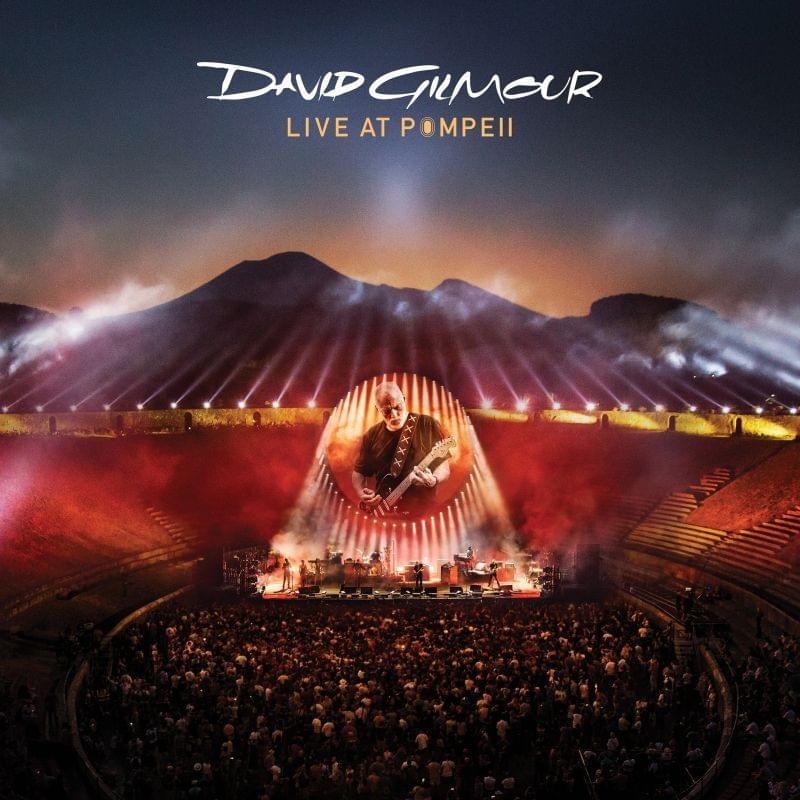
David Gilmour's live performance of "Wish You Were Here" at Pompeii isn't just a concert; it's a stark meditation on absence, disillusionment, and the corrosive effects of the music industry itself. The song, already a poignant reflection on Pink Floyd's fractured relationships and the mental decline of Syd Barrett, gains a new layer of resonance within the ancient Roman amphitheater. Gilmour's guitar echoes through the ruins, turning the personal lament into a broader commentary on societal and artistic compromise. The opening questions, "So, so you think you can tell / Heaven from Hell?" aren't merely rhetorical; they're a challenge to the listener's own capacity for discernment in a world increasingly defined by false choices. The 'disciplinary remains' heard at the very beginning further set the tone for a loss of innocence, creativity, and freedom.
The verses delve deeper into the Faustian bargains artists make, trading authenticity for fame, passion for apathy. The lyrics, "did they get you to trade / Your heroes for ghosts?" cut with particular sharpness, hinting at the way the music machine can devour its own icons, leaving behind hollow imitations. The central metaphor of exchanging "a walk on part in the war / For a leading role in a cage" speaks volumes about the illusion of control and the seductive trap of manufactured success. It's a particularly cutting critique of the music industry, which often promises artists everything, while simultaneously stripping them of their creative agency.
Ultimately, "Wish You Were Here" is a yearning for connection in a world that actively conspires to disconnect us. The chorus, with its plaintive cry of "How I wish, how I wish you were here," encapsulates the universal human desire for empathy and understanding. The image of "two lost souls / Swimming in a fish bowl" is both isolating and strangely comforting, suggesting that even in our alienation, we are not alone. Gilmour's performance at Pompeii amplifies this sense of shared longing, transforming the song into an anthem for anyone who has ever felt lost, disillusioned, or simply disconnected from the world around them. The live rendition adds an extra layer of grief and longing to the original studio recording. The vast emptiness of the amphitheater becomes a physical manifestation of the emotional void at the heart of the song.
 View Artist