Song Meaning
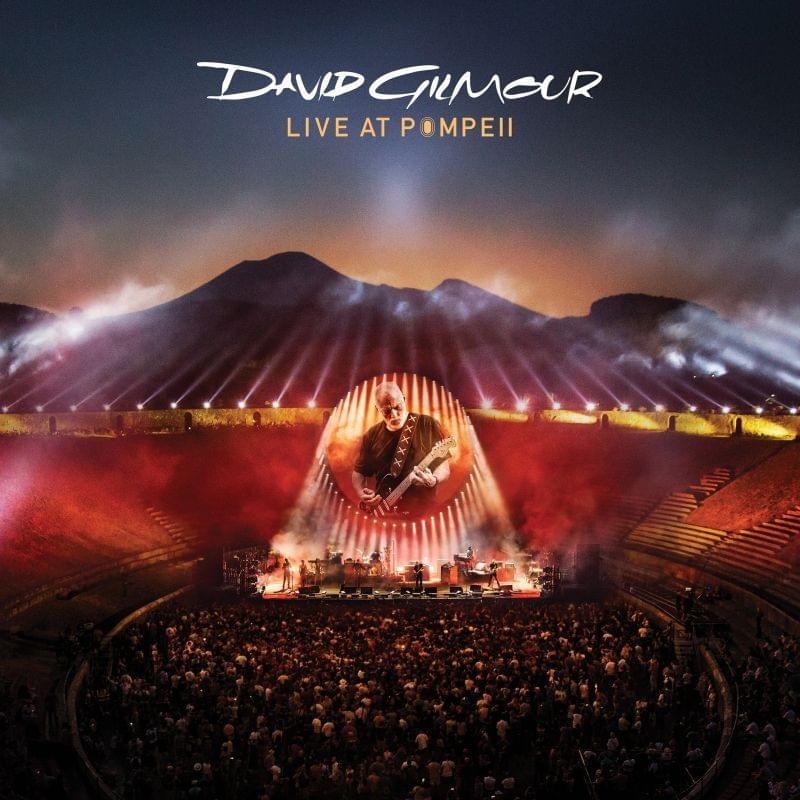
{"song_id": 14339271, "meaning": "David Gilmour's \"What Do You Want from Me,\" especially when experienced in the context of a live performance like Pompeii, transcends a simple artist-audience dynamic, delving into the complex and often insatiable nature of human desire. The song's lyrics, posed as direct questions, probe the expectations placed on artists and, by extension, on individuals in any position of influence or perceived power. It's a raw, almost confrontational examination of what we demand from those we admire, and whether those demands are even reasonable or attainable. Gilmour isn't just asking what the audience wants from him as a performer; he's questioning the very nature of their desires and the potential for those desires to be inherently unfulfillable. This is especially poignant considering the history of Pink Floyd and the intense scrutiny they faced.
The verses explore the lengths to which an artist might go to satisfy an audience – \"sing until I can't sing anymore,\" \"play these strings until my fingers are raw\" – highlighting the potential for exploitation and the feeling of being used. This sense of being drained by external demands is a relatable theme, tapping into the universal experience of feeling pressured to meet the expectations of others, whether in personal relationships or professional settings. The pre-chorus lines, \"You're so hard to please\" and \"I'm not the one you need,\" underscore the futility of trying to satisfy someone whose desires are either unclear or impossibly high. The song meaning here becomes clear: it's a commentary on the impossible standards we set for ourselves and others.
The latter part of \"What Do You Want from Me\" shifts focus, offering a glimpse of empowerment and self-awareness. Lyrics like \"You can have anything you want\" and \"You can own everything you see\" suggest a world of limitless possibilities, but this is quickly followed by a cautionary note: \"Sell your soul for complete control / Is that really what you need?\" Gilmour challenges the listener to examine the true cost of their desires, implying that the pursuit of external validation and material possessions can lead to a loss of self. The concluding lines, \"See inside, there is nothing to hide / Turn and face the light,\" offer a path towards authenticity and self-acceptance, suggesting that true fulfillment comes not from external sources, but from within. Ultimately, the song is a powerful meditation on desire, expectation, and the search for meaning in a world that often demands too much and offers too little."}
 View Artist