Song Meaning
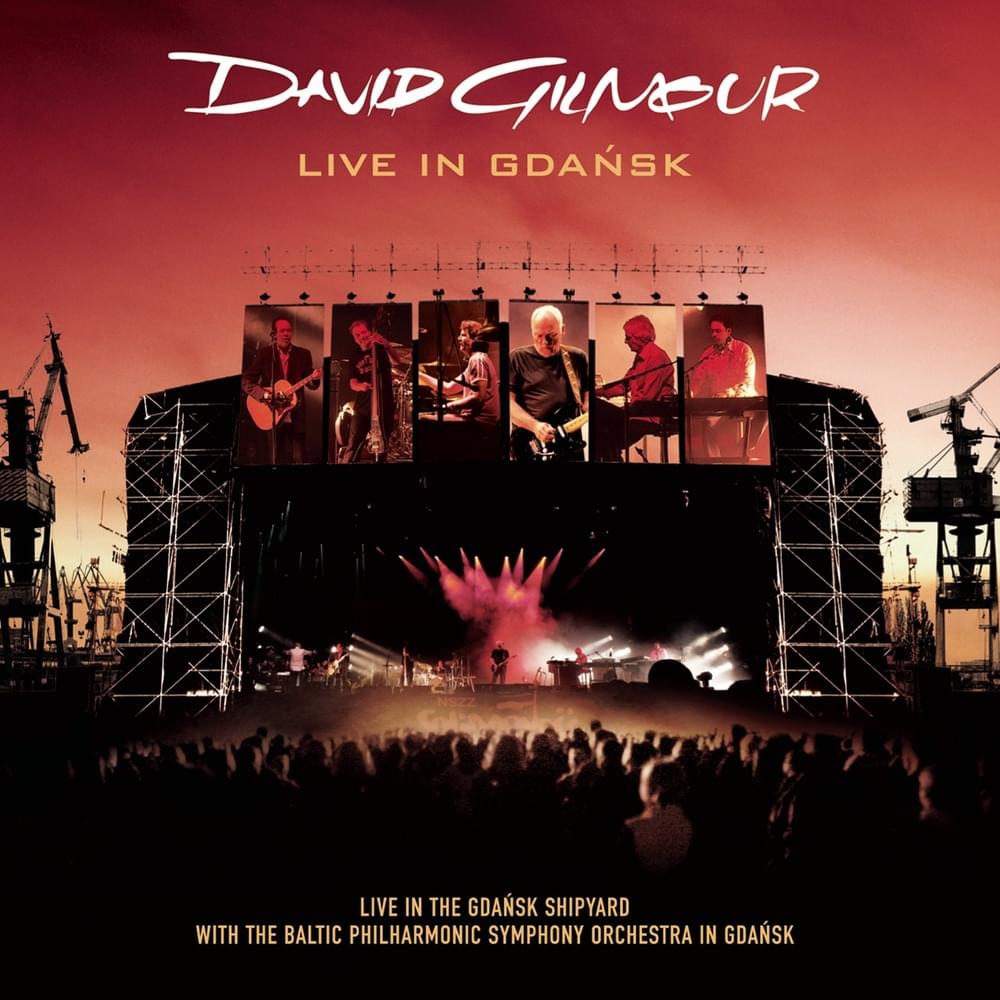
{"song_id": 14339249, "meaning": "David Gilmour's live rendition of \"Breathe\" isn't just a performance; it's a subtly devastating meditation on existence. The opening lines, \"Breathe, breathe in the air / Don't be afraid to care,\" sound deceptively simple, almost like a new-age mantra. But the immediate follow-up, \"Leave, but don't leave me,\" injects a potent dose of existential angst. This isn't an invitation to carefree living; it's a recognition of the inherent contradictions within it. The song meaning quickly transcends simple encouragement.
The two verses offer contrasting approaches to navigating this complicated life. The first presents a seemingly open invitation to \"choose your own ground,\" implying agency and freedom. The second verse throws a wrench into that idea with the \"Run, rabbit run\" directive. This introduces the futility of endless labor, a Sisyphean task of digging holes, devoid of sunlight or satisfaction. The \"rabbit\" imagery suggests a life driven by instinct and fear, a frantic search for security that ultimately leads nowhere. This is where the song transcends self-help platitudes and delves into darker, more philosophical territory.
The chorus, repeated with slight variations, serves as the central thesis. \"For long you live and high you fly / And smiles you'll give and tears you'll cry / And all you touch and all you see / Is all your life will ever be.\" The initial lines suggest aspiration and achievement, but the final line lands with a thud. This isn't necessarily a celebration of life's richness but a stark acknowledgment of its finite boundaries. The second chorus adds the particularly bleak line: \"You race towards an early grave.\" This isn't just about living; it's about the relentless, often self-destructive, pursuit of… what, exactly? \"Breathe (Live in Gdańsk)\" transforms from a gentle invitation into a starkly beautiful, if somewhat cynical, reflection on the human condition."}
 View Artist