Song Meaning
David Fonseca’s "Over5000" isn't just a song; it’s a pressure cooker. The track pulses with a sense of being relentlessly bombarded, buried under the weight of modern existence. It’s right there in the opening: a seemingly innocuous snippet about horoscopes, immediately undercut by a feeling of dissatisfaction. This sets the stage for the lyrical onslaught that follows—a torrent of "over-" prefixes that paints a portrait of a world saturated to the point of collapse. Overlooked, overcome, overblown – the words tumble over each other, creating a sonic representation of anxiety and the feeling of being utterly maxed out. Fonseca isn't just describing being busy; he’s capturing the psychological impact of living in a state of constant overdrive.
The relentless repetition of "over" highlights the insidious nature of modern stressors. It's not just one thing that's too much; it's everything. The lyrics hint at an imbalance – "over science," "overprize" – suggesting a world where logic and value have been distorted. This isn't simply a complaint about being overworked; it's a deeper critique of a society that prioritizes excess and achievement over well-being. The stark declaration, "you break, oh, and you will break," serves as both a warning and an acknowledgment of the inevitable consequences of pushing oneself beyond sustainable limits. It’s a bleak outlook, yet there's a strange comfort in its honesty.
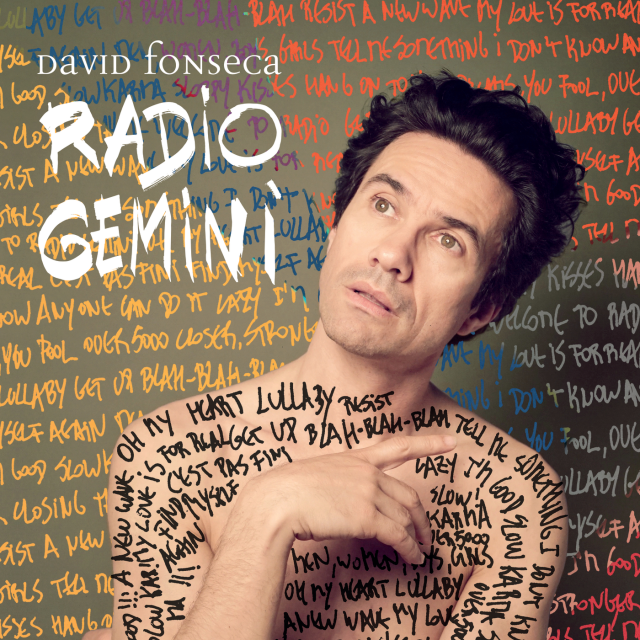
The song's title itself, "Over5000," evokes a sense of exceeding capacity, pushing beyond a perceived limit. The brief mention of "Radio Gemini" at the close adds another layer of intrigue. Gemini, often associated with duality and communication, could represent the internal conflict at the heart of the song – the struggle to reconcile the pressures of the external world with the needs of the self. Perhaps "Radio Gemini" is the internal monologue, the constant stream of information and demands that contributes to the overwhelming feeling of being "over5000." Ultimately, “Over5000” serves as a potent reminder of the human cost of relentless pressure, offering a stark, albeit unsettling, glimpse into the modern psyche.
 View Artist