Song Meaning
David Essex's "There's Something About You" isn't a dissection of a specific, definable quality, but rather an ode to the comforting presence of unwavering support. The lyrics readily admit to an ineffable 'something' that defies easy categorization, a refreshing honesty in a world saturated with hyper-specific declarations of love. It's not about pinpointing a flawless feature or a dazzling talent; it's about the holistic reassurance this person provides. The core sentiment revolves around constancy amidst the chaos of life; while external forces and personal struggles threaten to destabilize, this partner remains a steady anchor. The narrator explicitly values the unchanging nature of this 'something,' pleading for it to remain undisturbed. It's a recognition that profound security often lies not in grand gestures but in the quiet reliability of a consistent presence.
Delving deeper into the song meaning, we find a subtle acknowledgment of vulnerability. The lines referencing 'things in my life keep on changing' and 'things that people say can really hurt' paint a picture of someone navigating a turbulent world. The partner's love acts as a buffer, a protective shield against external negativity. The mention of helping when 'lines wouldn't rhyme' hints at a creative or personal struggle where the partner offered crucial support. This isn't just romantic love; it's a partnership built on empathy and practical assistance, helping the narrator overcome creative block, perhaps stemming from self-doubt or external criticism.
Ultimately, "There's Something About You" celebrates the profound impact of steadfast love on one's sense of self. The recurring line, 'You helped me sing my song,' is particularly potent. It suggests that this person has not only provided emotional support but has also empowered the narrator to express his true self, to find his voice. It speaks to a deeply symbiotic relationship where love fosters creativity and self-discovery. The rhetorical question, 'How could a love like ours be wrong?' isn't a challenge but a heartfelt expression of gratitude and conviction. It's a recognition that this connection transcends fleeting infatuation and represents a profound, life-affirming bond.
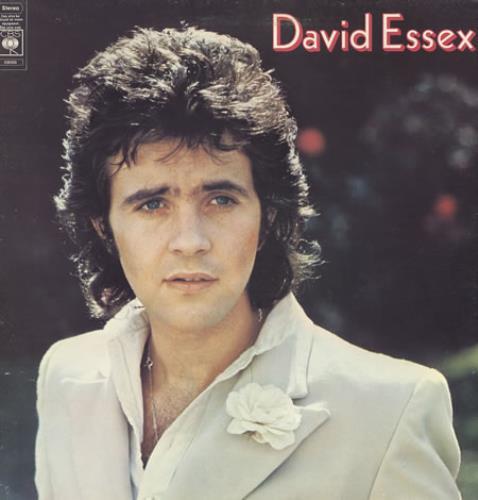
 View Artist