Song Meaning
David Crosby's rendition of "My Country 'Tis of Thee" isn't just a patriotic echo; it's a haunting, almost desperate plea embedded within a familiar framework. The song, a bedrock of American identity, becomes in Crosby's hands something far more complex than simple national pride. The very choice to perform this song, given Crosby's history as a counter-cultural iconoclast, suggests a layered commentary. Is it a reclaiming of an ideal, a lament for its loss, or a challenge to the present? The power resides in this ambiguity.
The lyrics themselves, simple and direct, are freighted with historical weight. "Land where my fathers died" speaks not only of sacrifice but also of the origins of the nation, built on ideals of freedom and liberty. Crosby's interpretation forces us to confront the gap between the promise and the reality. The repeated invocation of "Let freedom ring" transforms from a celebratory declaration into a yearning, a desperate hope that the foundational principles of the country might actually manifest in a tangible way. The simplicity of the lyrics becomes a mirror, reflecting back the listener's own perception of America's successes and failures.
Ultimately, Crosby's take on "My Country 'Tis of Thee" serves as a potent reminder that patriotism isn't blind allegiance. It's a critical engagement with the nation's ideals and a willingness to hold it accountable to its promises. The song's meaning resides not just in the words themselves, but in the tension between the traditional interpretation and the artist's own history and perspective. It’s a call for a more profound, and perhaps more painful, understanding of what it truly means to be American.
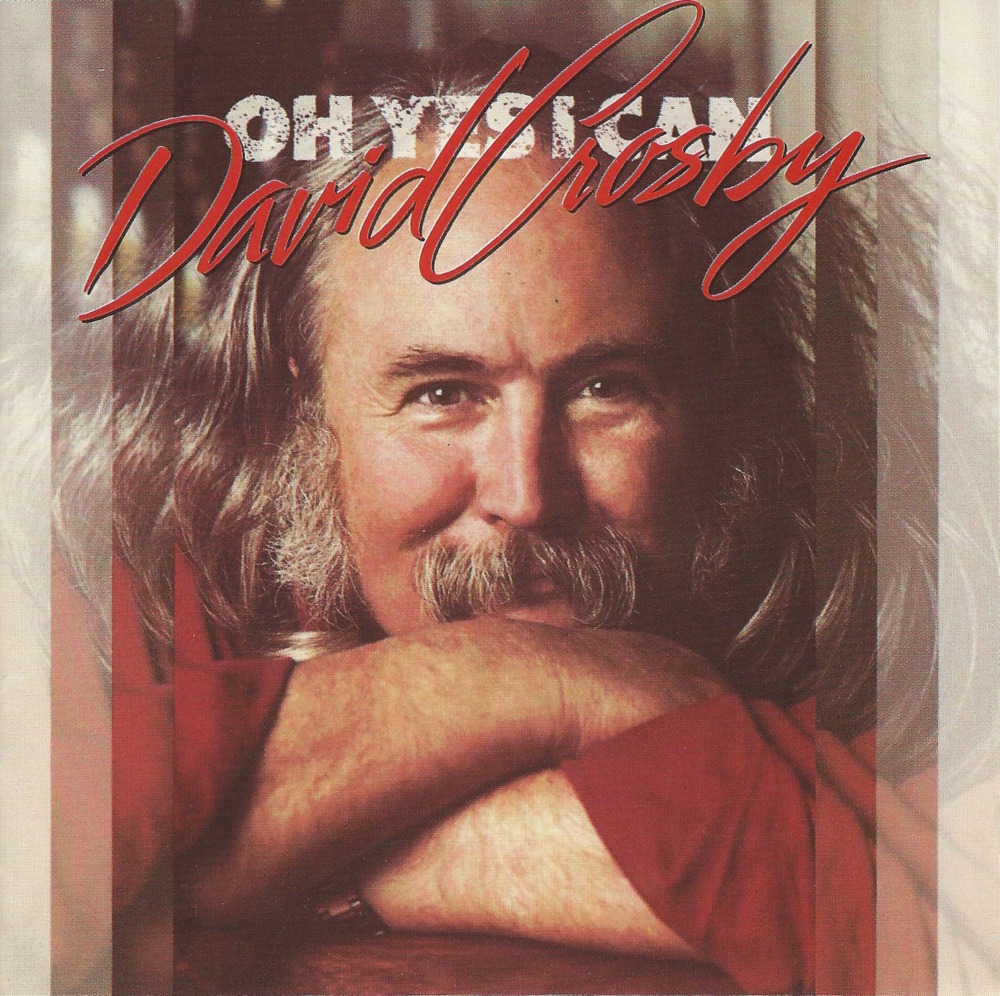
 View Artist