Song Meaning
The lyrics paint a vivid picture of intense suspicion and obsessive doubt within a relationship. The narrator repeatedly states "Sospecho de tus ojos," "Sospecho de tus labios," and "Sospecho de ti," establishing a pervasive atmosphere of mistrust. This isn't just a fleeting worry; it's a consuming condition, making the narrator "ando como un loco" and "ando como un lobo," suggesting a frantic, predatory state of mind.
The central tension arises from the narrator's self-awareness that these suspicions are likely unfounded, acknowledging "que todo es fruto de mi imaginación." Yet, this rational understanding offers no relief, as the overwhelming "quererte tanto" fuels the irrational doubt. The repetition of "estoy enfermo y sufro / De quererte tanto" highlights how the depth of their affection paradoxically breeds their suffering and paranoia, creating a self-destructive cycle.
The craft here is in the relentless repetition and the stark contrast between internal knowledge and external behavior. The repeated "Sospecho" acts like a mantra of distrust, while the shift from "loco" to "lobo" escalates the narrator's perceived threat level and predatory focus. The suspicion extends beyond the partner to "tus amigos" and "nadie de tu entorno," broadening the paranoia to encompass the entire social sphere surrounding the loved one.
This lyrical construction effectively conveys the suffocating nature of obsessive jealousy. The narrator's internal conflict—knowing their fears are imaginary but being unable to shake them—is the core of the song's emotional weight. The writing doesn't offer resolution, instead immersing the listener in the inescapable, painful reality of being consumed by doubt, even when love is the stated cause.
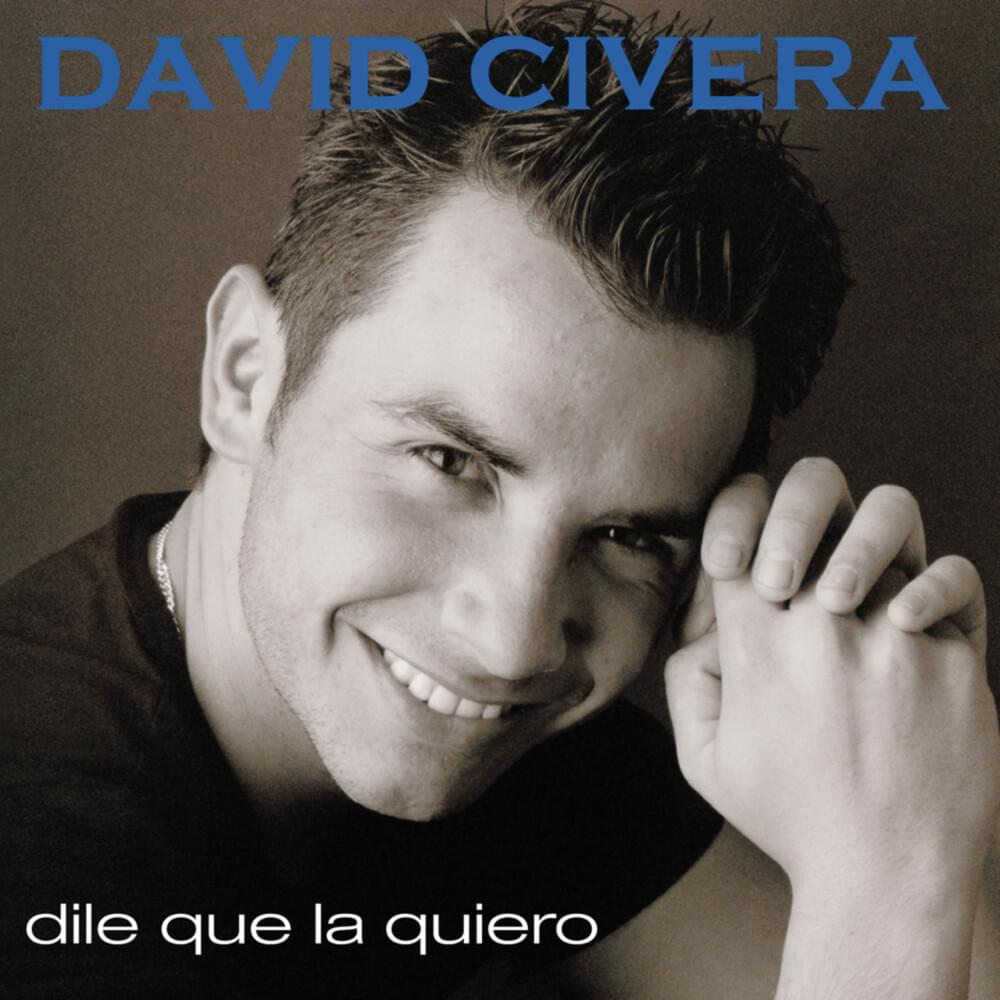
 View Artist