Song Meaning
David Byrne's "You Don't Know Me" isn't a plea for recognition; it's a sly, almost unsettling assertion of omnipresence. The lyrics drip with the kind of detached irony Byrne perfected in his Talking Heads era, but here, the focus shifts inward, burrowing into the listener's psyche. He's not singing *at* you, he's singing *from within* you. The "you" of the title is deliberately ambiguous, implicating both the listener and a fragmented aspect of the self. This creates a fascinating tension. Is Byrne embodying a Jungian shadow, the id, or simply the inconvenient truths we try to bury?
The verses paint a picture of an unwelcome co-existence. He's the force behind the "goofy love songs," the impulse that sabotages carefully laid plans, the ache of loneliness. It's the chaotic, irrational element that defies control. The references to love – "If love is alive why can't I touch it?" – suggest a frustration with the intangible, a yearning for concrete understanding of deeply felt emotions. The line about not arriving in a spaceship but being present from birth is particularly striking. It hints at a primal, intrinsic connection, something far deeper than a superficial encounter.
Ultimately, "You Don't Know Me" uses the dance floor as a temporary refuge. "On this beautiful night by the bright disco light / We will dance till the pain is all gone." The disco light, typically a symbol of superficiality and escape, becomes a vessel for catharsis. Dancing, in this context, isn't just frivolous fun; it's a desperate attempt to exorcise the internal demons, to momentarily silence the voice that Byrne embodies. The song's meaning, therefore, lies in its exploration of the self's hidden depths and the perpetual struggle to reconcile our conscious desires with our subconscious impulses. It's a reminder that we are often strangers to ourselves.
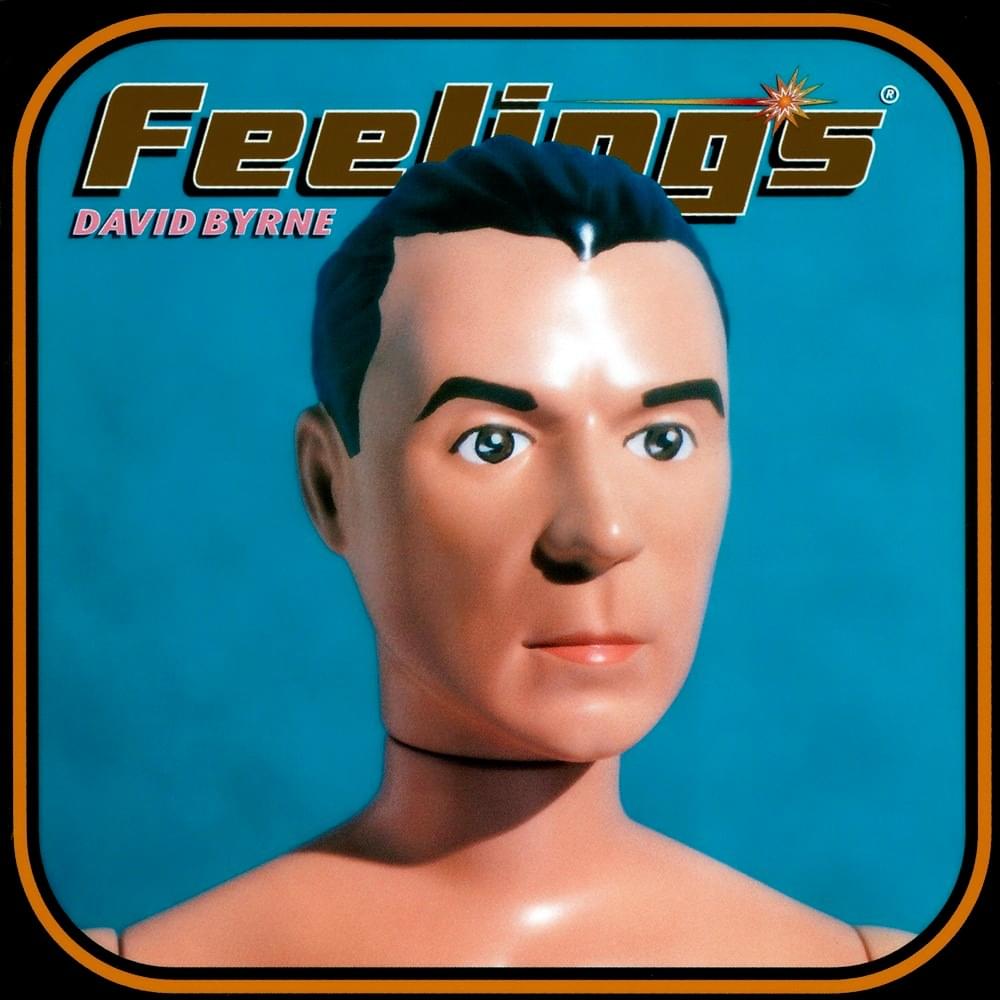
 View Artist