Song Meaning
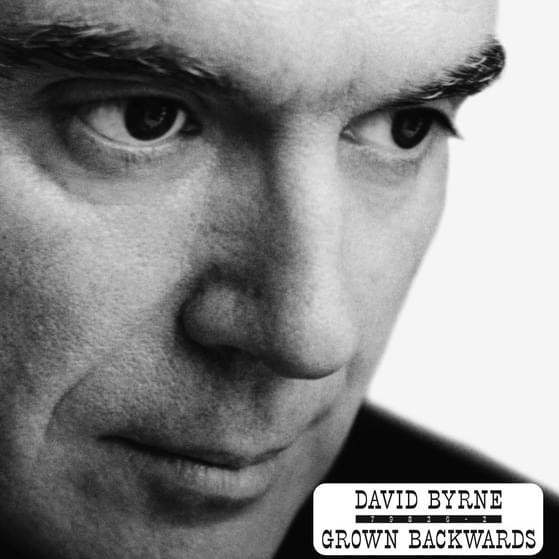
David Byrne's "Un di Felice, Eterea" isn't just a song; it's a distilled operatic experience, a miniature emotional drama packed into a few phrases of Italian. For those unfamiliar, the lyrics are a direct lift from Verdi's *La Traviata,* specifically Alfredo's initial infatuation aria. Byrne, with his art-school sensibility, isn't simply covering Verdi; he's refracting it through a modern lens, stripping away the narrative context to expose the raw, almost absurd core of romantic idealization.
The song's meaning hinges on that central tension: "croce e delizia," the cross and the delight, the simultaneous pain and pleasure of love. The lyrics paint a picture of love at first sight, an ethereal vision that sparks a trembling, unknown affection. This isn't grounded, practical love; it's a love born of fantasy, fueled by the potential rather than the reality of the other person. Byrne's repetition of "Misterioso, Misterioso altero" reinforces this sense of the unknowable, the distant, the alluringly unattainable.
Byrne's genius lies in his deconstruction. He isolates the core emotional paradox – the idea that love can be both torment and ecstasy – and presents it in its purest form. The song becomes a meditation on the very nature of romantic projection, the way we imbue others with our own desires and fantasies. It's a reminder that the "delizia" is often intertwined with a "croce," a burden of expectation and the inherent risk of disappointment. The song meaning is a study of how a single moment can change the course of a life, and how that moment is often built on illusion.
 View Artist