Song Meaning
David Byrne's "The Accident" isn't just about rubbernecking at a crash site; it's a dissection of emotional fallout, the kind that leaves lives scattered like debris. The opening lines, a stark instruction not to avert your gaze, immediately implicates the listener. We're all voyeurs to some extent, drawn to the spectacle of others' misfortunes, and Byrne forces us to confront that uncomfortable truth. But the detectives sifting through wreckage suggest something deeper than a simple fender-bender; this is the aftermath of a relationship implosion, a personal catastrophe laid bare. The deceptively simple line, "It starts with only one kiss/It changes everything," hints at the butterfly effect of intimacy, how a single act can trigger unforeseen consequences.
The arrival of TV crews transforms the personal tragedy into a public spectacle. The man shattered "like a glass on the ground" becomes a cautionary tale, a symbol of loss for the evening news. The lyrics point to the media's role in exploiting and sensationalizing private pain, reducing complex emotions to easily digestible sound bites. The plea, "Only you can bring him around/And set me free," is ambiguous. Is it addressed to a former lover, a higher power, or even the audience itself? The lines about becoming delirious and living on a desert island for years, contrast sharply with the earlier verses. They evoke a sense of isolation and detachment, as if the speaker is trying to escape the wreckage of the past. The island symbolizes a refuge from the outside world, a place where the speaker can process their trauma in solitude.
Ultimately, "The Accident" is a commentary on the fragility of human connection and the performative nature of grief in the modern age. The weeping anchormen, the witnesses describing the former home, all contribute to a sense of surreal detachment. The song suggests that genuine healing requires more than just public displays of sympathy; it demands a willingness to confront the underlying causes of the "accident" and to find meaning in the chaos. The concluding lines, "Living proof that things are not what they seem/It takes all these wild and wonderful things/To set me free," offer a glimmer of hope. Perhaps by acknowledging the inherent absurdity and unpredictability of life, one can begin to piece together the shattered fragments and, finally, move on.
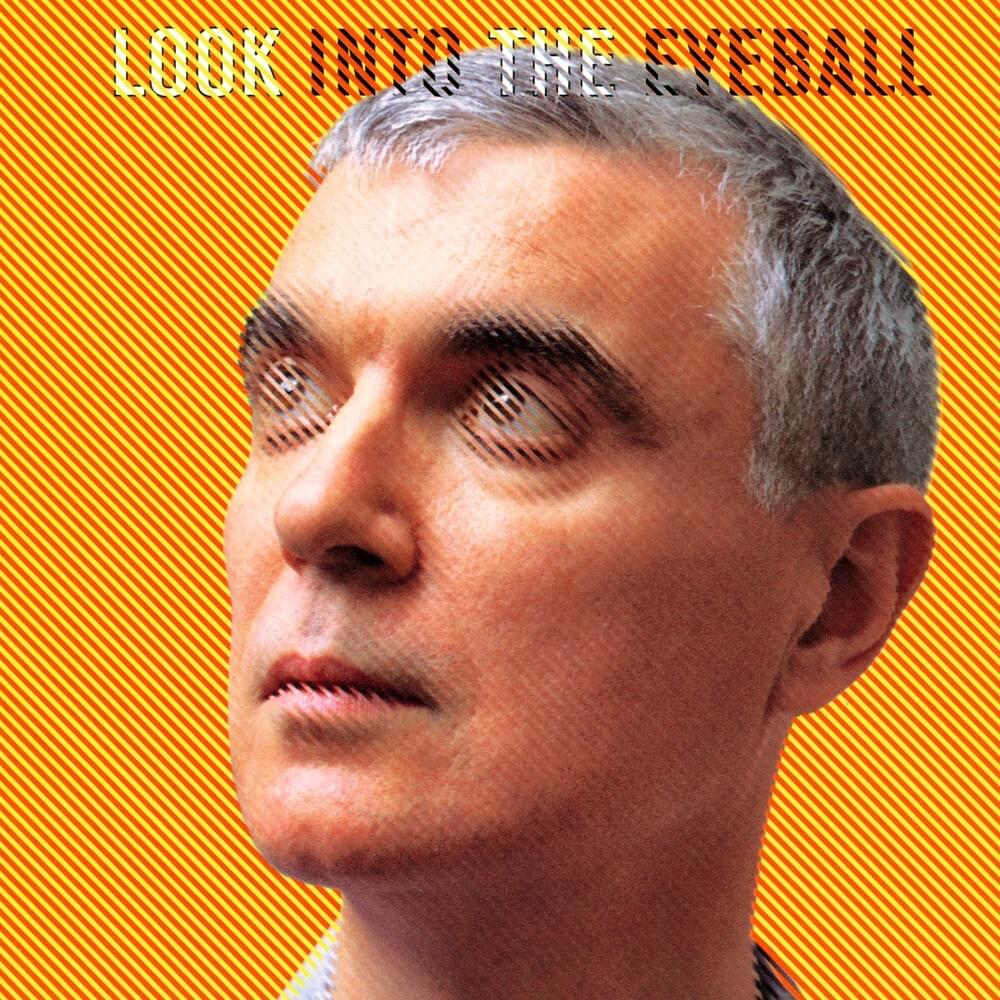
 View Artist