Song Meaning
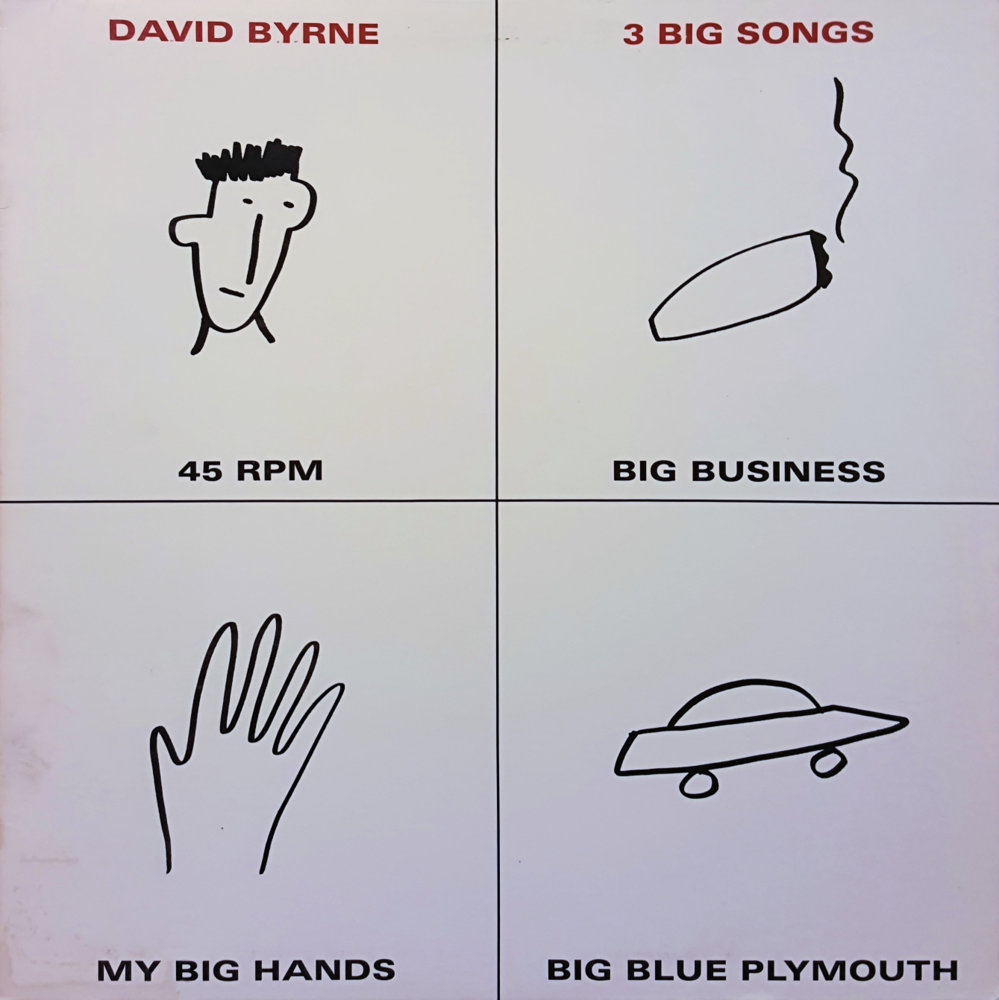
David Byrne's "My Big Hands (Fall Through The Cracks)" feels like a masterclass in neurotic self-awareness, a jittery exploration of culpability and the uneasy dance around personal responsibility. The opening denial, "Well it ain't my fault / My fault that things gone wrong," immediately establishes a defensive posture, a refusal to own up to some unspecified transgression. But the very act of protesting so vehemently hints at a deeper guilt, a buried understanding that Byrne *is*, in fact, implicated. The image of "big hands" becomes a central metaphor, suggesting clumsiness, a lack of finesse, perhaps even a destructive force the narrator struggles to control. The line "Keep my big hand to myself" reads as both a promise and a threat, a fragile attempt at restraint. The creeping around, the "tiptoe[ing] around the house," amplifies the sense of underlying tension and barely contained chaos.
The recurring invitation, "Come, come on in / It's not, it's not like that," drips with irony. It's a reassurance that rings hollow, immediately undermined by the subsequent descent: "Down, down we go / Fall through, fall through the cracks." This fall suggests a loss of control, a descent into a situation the narrator can no longer manage. The cracks themselves could represent societal norms, personal boundaries, or even the narrator's own fractured psyche. The desire to "Help myself to what I want" and "Get stupid in the dark" further points towards impulsive, potentially self-destructive behavior undertaken in secrecy.
Ultimately, the song's power lies in its ambiguity. We never learn the specifics of Byrne's failing. The song's meaning isn't about a singular event, but rather the pervasive feeling of unease and the struggle to reconcile personal desires with their consequences. The repeated lines underscore the cyclical nature of this struggle, suggesting a pattern of behavior that the narrator is both aware of and seemingly powerless to break. "My Big Hands (Fall Through The Cracks)" becomes a raw and unsettling portrait of the human condition, a reminder that even with the best intentions, we are all capable of causing damage and falling short of our own expectations.
 View Artist