Song Meaning
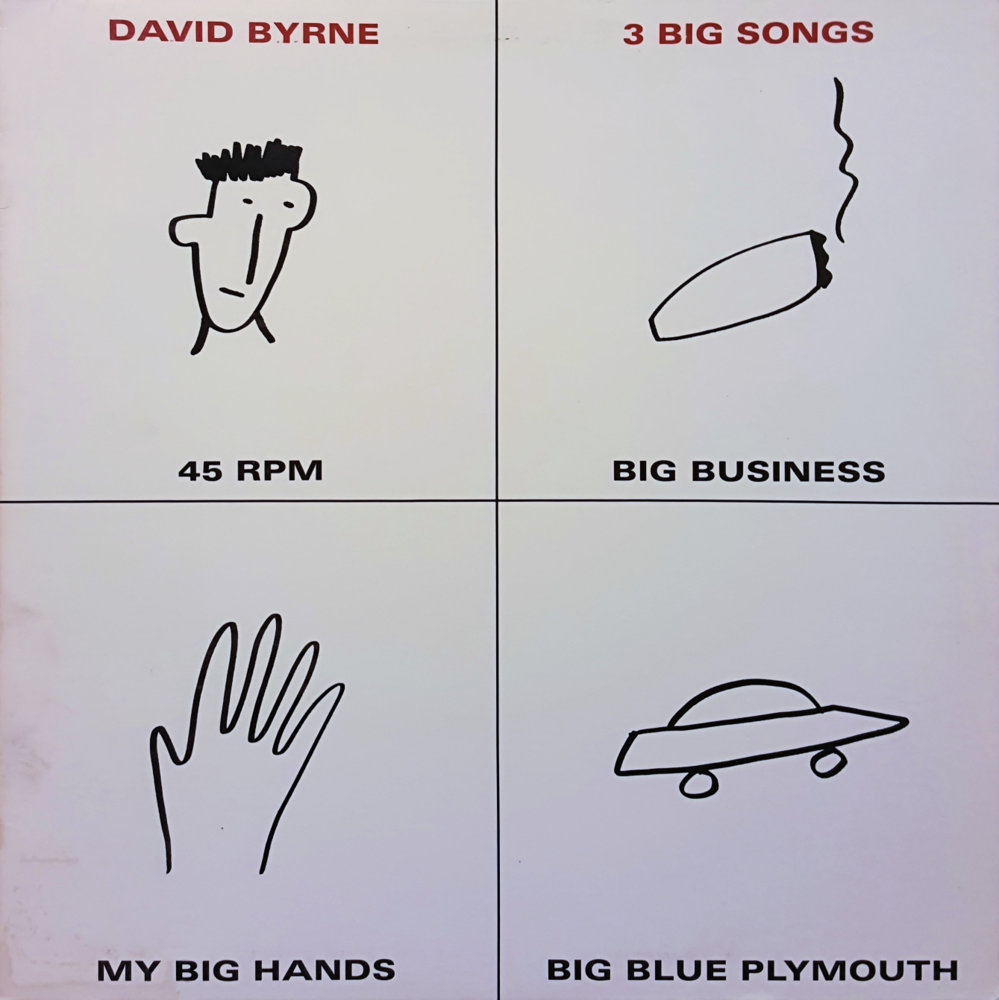
{"song_id": 12903361, "meaning": "David Byrne's \"Big Business (Dance Mix)\" operates as a minimalist, almost skeletal deconstruction of corporate culture. The repetition of \"Think you've had enough\" suggests a weariness, perhaps directed at both the excesses of big business and the endless drone of those who complain about it but remain complicit. It's a call to action, but not in the traditional protest song sense. Instead, the imperative \"Stop talking, help us get ready\" points toward a more pragmatic, even cynical, acceptance of the system's inevitability. The 'shakeup' implies a period of upheaval or restructuring, and the repeated demand to 'get ready' speaks to the need to adapt, to be prepared for whatever new form 'big business' takes. Byrne isn't necessarily endorsing this adaptation; the tone is too ambiguous for that. Rather, he's observing the cyclical nature of corporate evolution and the individual's perpetual state of being 'ready' for the next wave of change. The dance mix element itself adds another layer, transforming the anxiety of corporate life into something almost rhythmic and hypnotic.
The lyrics, sparse as they are, avoid explicit political statements, favoring instead a psychological portrait of the individual caught within the machinery of capitalism. The ambiguity is key. Is Byrne sympathizing with the worker, condemning the system, or simply documenting its effects? It's likely all three. The phrase \"Big business, after the shakeup\" hints at the resilience, and perhaps even the invincibility, of the corporate structure. No matter the crisis or restructuring, it endures, demanding constant readiness from its participants. The simplicity of the language creates a sense of immediacy, mimicking the relentless pace of the modern workplace. The song meaning, therefore, lies not in a grand denunciation but in the quiet desperation of those who must constantly prepare themselves for the next iteration of the corporate machine.
Ultimately, “Big Business (Dance Mix)” functions as a kind of absurdist mantra. The repetition of phrases mirrors the repetitive nature of corporate labor itself. The call to “stop talking” can be interpreted as a rejection of empty rhetoric and a demand for practical action, however futile that action may ultimately be. The 'dance mix' aspect further emphasizes this absurdity, turning the anxieties of late-stage capitalism into a strangely compelling, almost danceable, experience. In this way, Byrne captures the unsettling reality of living within a system that demands constant adaptation, a system where even resistance can feel like another form of participation."}
 View Artist