Song Meaning
The lyrics paint a picture of patient, almost melancholic anticipation. The narrator positions themselves in a specific, evocative setting – an "overcoat" beneath a "glass clock" by an "old hotel" in a "blue tiles bar," all bathed in a "long slow twilight hour." This isn't just waiting; it's a deliberate, almost ritualistic performance of devotion in a liminal space, where time itself seems to stretch and mark itself with a persistent, rhythmic "knock."
The central tension lies in the contrast between the narrator's unwavering commitment and the inherent transience suggested by the setting. They promise to lead their beloved "past the trains" where "'so longs' reign," a phrase that captures the bittersweet nature of farewells and the hope for future reunions. The narrator's heart "burn[s] with a churning yearn," a powerful image of internal unrest mirroring the external movement of trains and the passage of time, yet they remain fixed in their vigil.
The most striking craft element is the recurring motif of time and its manipulation. The "glass clock," "hours turn and knock," and "sun dials turn" all emphasize the relentless march of time. However, the narrator's plea, "Don't you ever say 'love, anything will change'," and their wish for time to "pass me by" reveal a desperate desire to halt or transcend this progression, to freeze the moment of waiting. This creates a poignant dissonance between the external world's movement and the internal stasis of the narrator's hope.
Ultimately, the effectiveness of these lyrics stems from their ability to evoke a profound sense of longing and steadfastness within a tangible, atmospheric scene. The specific imagery grounds the emotional weight, making the narrator's quiet desperation and enduring affection feel palpable. The writing captures that specific ache of waiting for someone amidst the constant motion of the world, particularly the symbolic movement of trains, suggesting a love that exists in the pauses and the promises of return.
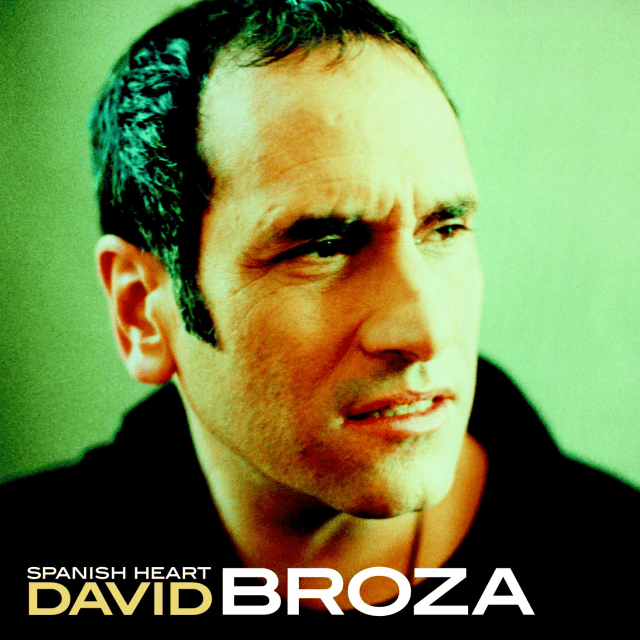
 View Artist