Song Meaning
The lyrics paint a stark picture of someone grappling with profound despair, feeling utterly alone and regretting their very existence. The opening lines acknowledge the impossibility of returning to a past state, yet insist on remembering it, hinting at a painful history. This is immediately followed by a raw depiction of the listener's internal state: feeling "superfluous," "full of fear," and wishing they were "never born." The repetition of "never born" amplifies the depth of this self-loathing.
The narrator attempts to offer solace, reminding the listener of past affirmations and the enduring beauty of life, pointing to love and friends as constants. However, this hopeful message is immediately undercut by the image of "a man alone, a woman lonely, meeting and parting," likening them to "dust flying in the wind." This contrast between the idealized vision of life and the transient, isolated reality creates a palpable tension, suggesting that the narrator's own perspective is fractured.
The core of the song seems to lie in this push and pull between acknowledging immense pain and offering a fragile hope. The narrator urges the listener not to succumb to darkness or declare the "end of the road." Yet, the narrator's own closing statement, "I am still on the roads," implies a personal journey that is far from over, leaving the listener with a sense of unresolved distance and perhaps a shared, ongoing struggle. The repeated chorus, "Life is beautiful, look," feels less like a confident assertion and more like a desperate plea, a mantra against the overwhelming evidence of suffering presented elsewhere in the text.
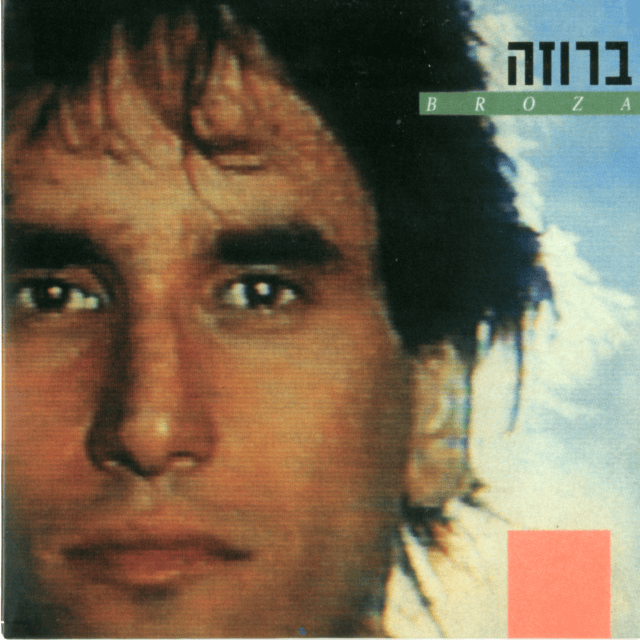
 View Artist