Song Meaning
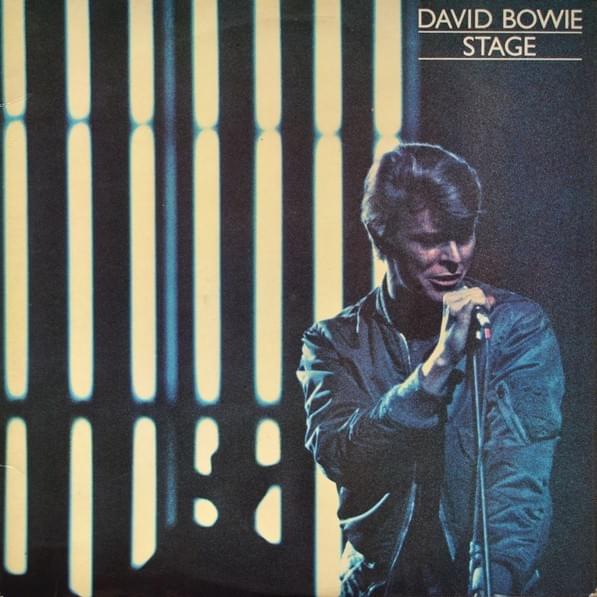
“Warszawa (Live 1978)” opens not with a voice, but with the roar of a crowd. This immediate immersion into a live experience sets a unique stage. The piece quickly transitions into an instrumental landscape. Two enigmatic lines then emerge, followed by a striking violin solo.
The core of these lyrics lies in their deliberate ambiguity. Framed by "Audience Cheering" and subsequent "Applause," the performance itself is a communal event, yet the central lyrical content remains deeply personal and opaque. The non-English phrases "Sula vie dilejo" and "Sula vie milejo" resist easy translation, creating a sense of mystery rather than direct narrative. This tension between shared experience and individual interpretation defines the piece.
The craft here is subtle but powerful, leaning heavily on sonic texture over explicit meaning. The repetition of "Sula vie" across the two lines, coupled with the similar-sounding "dilejo" and "milejo," creates a chant-like, almost incantatory effect. This structural echo, devoid of immediate semantic weight for most listeners, encourages a focus on the pure sound and the emotional resonance it evokes. The "Violin Solo" then acts as a melodic counterpoint, a moment of specific, human expression within the abstract soundscape.
Ultimately, these lyrics are effective precisely because they don't spell anything out. They invite the listener to lean into the atmosphere, to feel rather than to understand literally. The sparse, repeated phrases, nestled within instrumental passages and bookended by the palpable energy of a live audience, craft an experience that feels both intimate and expansive. It's a testament to how sound, even without explicit words, can communicate profound emotion and create a shared, almost ritualistic, connection.
 View Artist