Song Meaning
{"song_id": 10307683, "meaning": "David Archuleta's rendition of \"Riu Riu Chiu\" isn't just a Christmas carol; it's a study in contrasts, a stark depiction of vulnerability and divine protection played out in a pastoral scene. The repeated refrain, \"Riu, riu, chiu, La guarda ribera,\" acts as both a comforting reassurance and a warning. The 'riverbank guard' is ever-present, a watchful eye against the dangers lurking in the shadows. The core of the song meaning rests on the symbolic interplay between the wolf and the lamb. The 'rabid wolf' embodies temptation and inherent evil, a constant threat to the innocent 'cordera,' or lamb. Yet, this isn't a tale of helpless victimhood.
The lyrics quickly shift from potential tragedy to divine intervention. God, the ultimate protector, shields the lamb, preventing sin and preserving its purity. This speaks to a deep-seated human desire for safety and guidance, particularly during times of uncertainty. The song deftly navigates the dichotomy of human nature, acknowledging our susceptibility to darkness while simultaneously affirming the existence of a higher power capable of redemption. The 'mochuelo,' or owlet, is presented as a light in the darkness, a beacon of hope that guides the lost. This symbolic association is further cemented by likening the owlet to the lamb of God, as spoken of by Saint John.
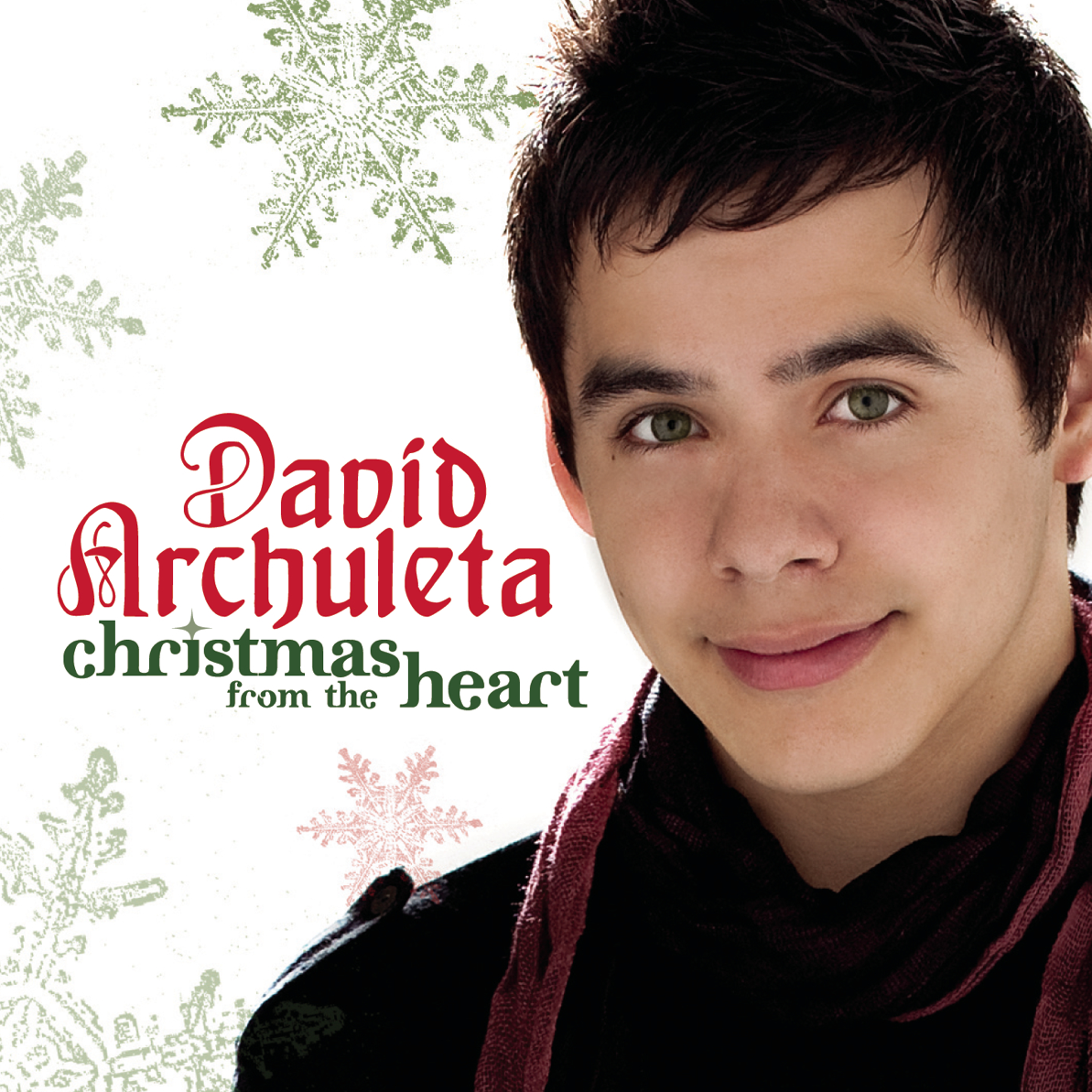
Archuleta’s delivery, coupled with the traditional melody, amplifies the song's inherent tension. The lyrics celebrate the birth of Christ, the 'gran monarca,' who takes on human form ('de carne vestido') to redeem humanity. This act of self-sacrifice, of the infinite becoming finite, underscores the profound love and compassion at the heart of the Christian narrative. \"Riu Riu Chiu\" isn't merely a recounting of biblical events; it’s an exploration of the eternal struggle between good and evil, fear and faith, vulnerability and protection – themes that resonate far beyond the Christmas season."}
 View Artist