Song Meaning
The lyrics paint a stark picture of relentless labor and displacement, focusing on the arduous journey and work of migrant laborers. The opening lines immediately establish a tone of hardship, detailing a "mighty hard row" and "hot dusty road" traveled by "poor hands" and "poor feet." This sets the stage for a narrative of people forced to move, driven from places like the Dust Bowl and rolling "Westward." The contrast between the "desert was hot and your mountains was cold" highlights the unforgiving nature of the landscapes they traverse.
The central tension lies in the laborer's essential, yet invisible, contribution to the prosperity of the land they work. They "work in your orchards of peaches and prunes" and are responsible for "all your crops," from digging "beets from your ground" to cutting "grapes from your vine." Yet, their presence is transient, described as coming "with the dust and we're gone with the wind." This transient existence is juxtaposed with the permanence of the bounty they help create, which ends up "on your table, your light sparkling wine."
A striking element is the recurring image of the laborer as a force of nature, intrinsically linked to the land but also subject to its whims and the forces that displace them. The phrase "we come with the dust and we're gone with the wind" is particularly potent, likening the people to ephemeral elements. This echoes the opening lines, bringing the narrative full circle and emphasizing the cyclical, yet unrewarded, nature of their toil. The final stanza's declaration, "My pastures of plenty must always be free," suggests a deep connection to the land and a desire for ownership or at least freedom, despite their marginalized status.
Ultimately, the lyrics resonate because they capture a profound sense of struggle and resilience. The repeated imagery of hard work and constant movement underscores the physical and emotional toll of this life. The contrast between the laborers' essential role in producing wealth and their own precarious existence creates a powerful, understated critique of the system that relies on their labor but offers them little security or recognition. The song grounds its emotional weight in the tangible details of agricultural work and the vast, indifferent landscapes that define the laborers' world.
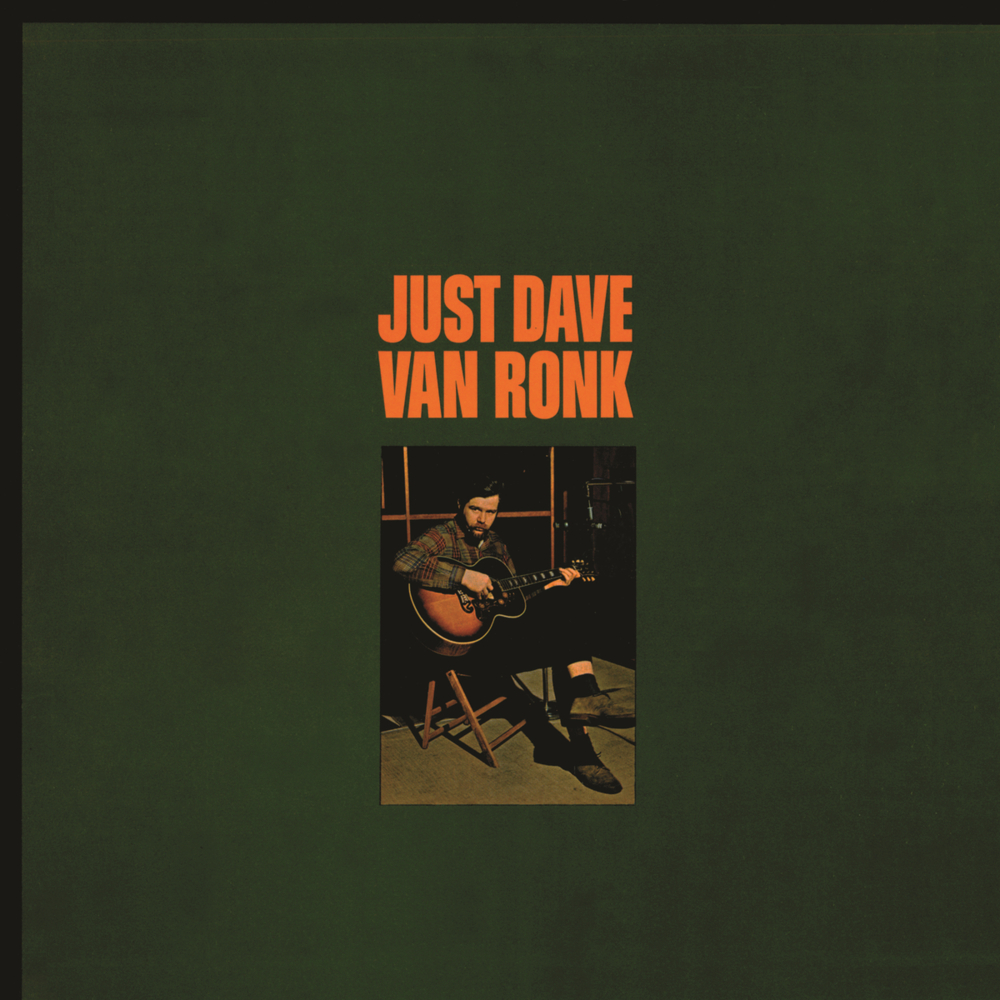
 View Artist