Song Meaning
This song paints a stark picture of a love that has led the narrator astray, causing a profound personal upheaval. The opening lines immediately establish a tone of regret and bewilderment, directly addressing "careless love" as the culprit behind the narrator's current state. The repeated lament, "You see what love has done to me," underscores a sense of helplessness and loss of control over their own fate. It’s a raw admission of being undone by affection.
The central tension lies in the narrator's devastating choice between familial loyalty and passionate, perhaps destructive, romantic pursuit. The lyrics reveal a willingness to abandon parental love – a foundational bond – for this new, consuming relationship: "I'd leave them both to go with you." This sacrifice is framed with a poignant anxiety about maternal disapproval, a fear of disappointing the very people who represent security and unconditional acceptance. The question, "What, oh what, will mama say," hangs heavy with the dread of judgment and the potential severing of those ties.
The most striking craft element is the subtle yet powerful imagery of the apron. Initially, the apron worn low signifies a past openness, a welcoming posture that kept a lover close: "I couldn't scarcely keep you from my door." The shift to "Now my apron strings don't pin" marks a dramatic change, suggesting a loss of innocence or perhaps a deliberate withdrawal. This change directly correlates with the lover's diminished interest; the same door that was once besieged is now passed by indifferently. The narrator’s transformation, symbolized by the apron's altered state, mirrors the lover's abandonment, creating a potent visual metaphor for lost intimacy and vulnerability.
Ultimately, the lyrics resonate because they capture the devastating consequences of impulsive devotion and the painful realization of what has been sacrificed. The contrast between past accessibility and present neglect, coupled with the fear of familial fallout, creates a potent emotional narrative. The song’s power lies in its direct, unadorned language, which amplifies the raw ache of a love that has proven both intoxicating and ruinous.
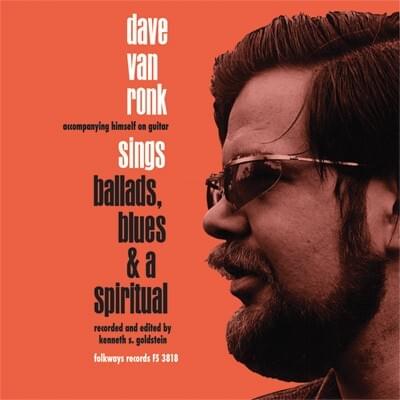
 View Artist