Song Meaning
This track opens with a direct address, a plea to 'Love' to pay attention, immediately establishing a high-stakes emotional landscape. The narrator is wrestling with a complex situation, acknowledging the potential to assign blame but choosing instead to focus on personal understanding. The core tension emerges from the narrator's conflicting desires: a need for self-discovery versus an apparent willingness to accommodate another's ambitions, even at personal cost. The phrase 'My life - your career' starkly contrasts personal sacrifice with professional pursuit, hinting at a relationship where one person's dreams might be eclipsing the other's reality.
The narrator oscillates between offering unconditional support and expressing a clear desire for the other person to leave. This push-and-pull is most evident in the repeated, almost desperate, invitations: 'You can Stay here with me,' 'You can Stay forever,' 'You can Stay all the time.' Yet, this is immediately undercut by the opening line of the second verse, 'Love - get outta here if you value anything,' and the dismissive mention of 'your noise - your parties' and 'your buddies.' This suggests a deep weariness with the other person's lifestyle and a yearning for them to either commit fully or depart.
The lyrical craft hinges on this stark dichotomy and the subtle shifts in tone. The initial offer of support, 'I'll be waiting in the wings like yesterday,' carries a melancholic resignation, amplified by 'Although that time fades the familiar, memory prays.' This line beautifully captures how past intimacy can become a ghost, a persistent echo that the mind clings to even as its substance erodes. The 'sneaky feeling' that the other person might want to stay, juxtaposed with the narrator's own exasperation, creates a palpable sense of emotional ambiguity and unresolved conflict.
Ultimately, the effectiveness of these lyrics lies in their raw portrayal of a relationship at a crossroads. The narrator isn't just singing about love; they're dissecting the painful compromises and unspoken resentments that can fester when one person's needs are consistently deferred. The repeated 'You can Stay' becomes less an invitation and more a desperate, almost sarcastic, assertion of control in a situation where the narrator feels powerless, highlighting the emotional toll of waiting for someone else to decide their own fate.
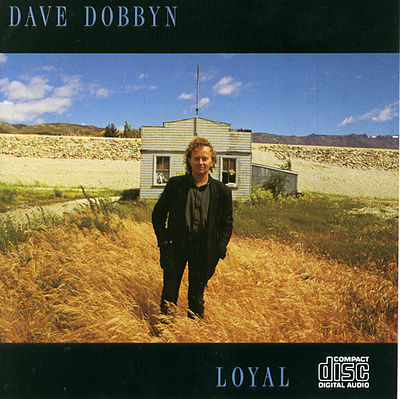
 View Artist