Song Meaning
The lyrics paint a stark, almost apocalyptic scene where aspirations are set against a foreboding "black blue front" that "stole the west horizon." The imagery of a "tolling bell" under an "ocean song" and the certainty that "all my dreams to tell" will break on the "seventh wave" establishes a profound sense of impending loss and the futility of ambition. This sets a somber, almost fatalistic tone right from the start.
The central realization, repeated with increasing urgency, is that "it dawned on me." This dawning appears to be a painful, perhaps inevitable, understanding of a truth connected to another person's heart. The phrase "This must be what your heart reveals" suggests a moment of clarity about unspoken emotions or hidden realities within a relationship, a revelation that arrives with the weight of the preceding imagery of destruction and broken dreams.
The contrast between the natural, destructive elements and the personal revelation is striking. A "blood red bloom pohutukawa" and "black dunes hiss with the grasses' breath" create a wild, untamed landscape that mirrors the internal turmoil. The narrator's response is to "gather my driftwood and light a beacon," a desperate act of signaling or hope amidst the desolation, explicitly stating "It's for you I cry It's for you I burn." This suggests the dawning realization is tied to a deep, consuming love or sorrow directed at someone specific.
The effectiveness of these lyrics lies in their potent, almost elemental imagery that grounds a deeply personal emotional shift. The repetition of "It dawned on me" acts like a drumbeat, emphasizing the weight and finality of the realization. The connection between the vast, indifferent natural world and the intensely personal, burning emotions creates a powerful sense of vulnerability and acceptance of a difficult truth that has finally become clear.
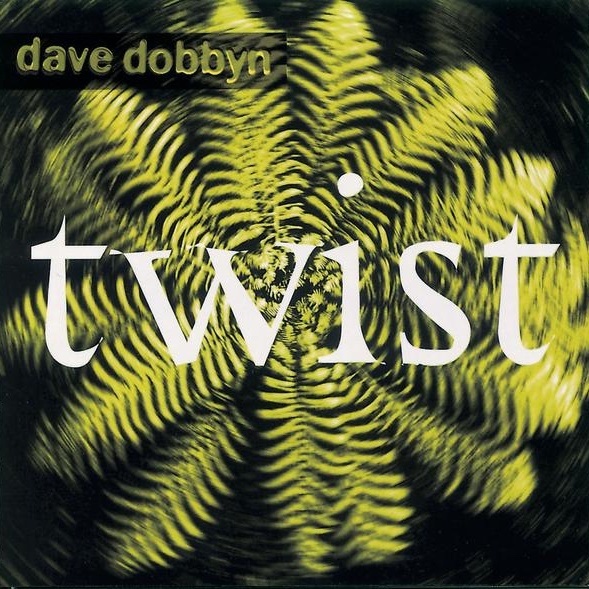
 View Artist