Song Meaning
The lyrics paint a picture of profound disorientation and a desperate search for identity, both personal and collective. The narrator gazes into someone's eyes, perceiving a vastness of experience, and immediately questions their origin and place in the world. This initial wonder quickly shifts to a somber reflection on past mistakes, asking "Where did we go wrong?" The dominant tone is one of searching, a deep unease with the present and a yearning for something more authentic.
The central tension arises from a rejection of inherited ways and a yearning for liberation. The narrator explicitly states that "Ways that our fathers showed us are a menace / And a hindrance." This suggests a generational conflict or a disillusionment with established traditions that are seen as blinding and restrictive. The imagery of "walls of cities" crashing down further emphasizes this desire to break free from perceived societal or psychological prisons that have "kept us all enslaved."
The most striking aspect is the cyclical and almost mystical connection the narrator feels with the person they are addressing. Despite the initial questioning, the narrator experiences a sense of deep familiarity, stating, "Seems that I've loved you oh so many times." This hints at a soulmate connection or a recognition of a shared destiny that transcends immediate circumstances. The lyrics then pivot to a hopeful vision of a "new vision" characterized by "Children dancing, joyous laughter, sacred wonder," offering a stark contrast to the earlier despair.
This piece resonates because it captures the universal human desire to understand our roots and find our true belonging, especially when confronted with societal decay and personal disillusionment. The juxtaposition of past failures with a hopeful, almost Edenic future, seen through the lens of a profound personal connection, creates a powerful emotional arc. The writing effectively uses questioning and contrasting imagery to evoke a sense of both existential dread and redemptive possibility.
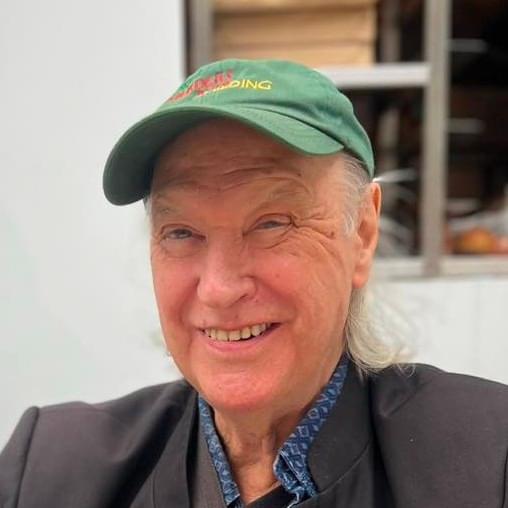
 View Artist