Song Meaning
The lyrics paint a poignant picture of a lost childhood friendship, tinged with a wistful nostalgia. The narrator recalls a time when the subject of the song was a "friend of mine" and was loved "in my way." This simple, direct statement anchors the entire reflection, establishing a foundational connection that time and distance have failed to erase. The immediate emotional texture is one of gentle remembrance, a soft focus on a past that feels both distant and remarkably close, as if "it still seems like yesterday."
The central tension lies in the contrast between the enduring memory of the past and the reality of separation and change. The narrator hasn't seen the friend in "a long time," yet clings to the belief that they "look the same way." This suggests a resistance to acknowledging the full extent of time's passage and its inevitable impact on people. The lyrics imply that while the narrator's perception of the friend remains static, the friend has clearly moved on, evidenced by the fading paintings and the silvered, costly laughs.
The most striking craft element is the recurring motif of the friend's actions performed "for me" – painting and laughing. These acts, initially pure expressions of childhood, become commodified or altered by time. The paintings are "thrown away," and the laughs, once free, turn "silver" and "cost too much," indicating a loss of innocence and an entry into a more complex, perhaps burdensome, adult world. This transformation highlights the narrator's unchanging perspective against the friend's undeniable growth and separation from that childhood state.
Ultimately, the effectiveness of these lyrics stems from their understated portrayal of a specific kind of loss. It's not a dramatic breakup, but a slow drift, a quiet fading of shared experience. The narrator's consistent refrain, "And I loved you in my way," suggests a love that might have been limited or perhaps not fully expressed, contributing to the sense of unresolved nostalgia. The lyrics resonate because they capture that universal ache of remembering a person as they were, while knowing they are irrevocably different now.
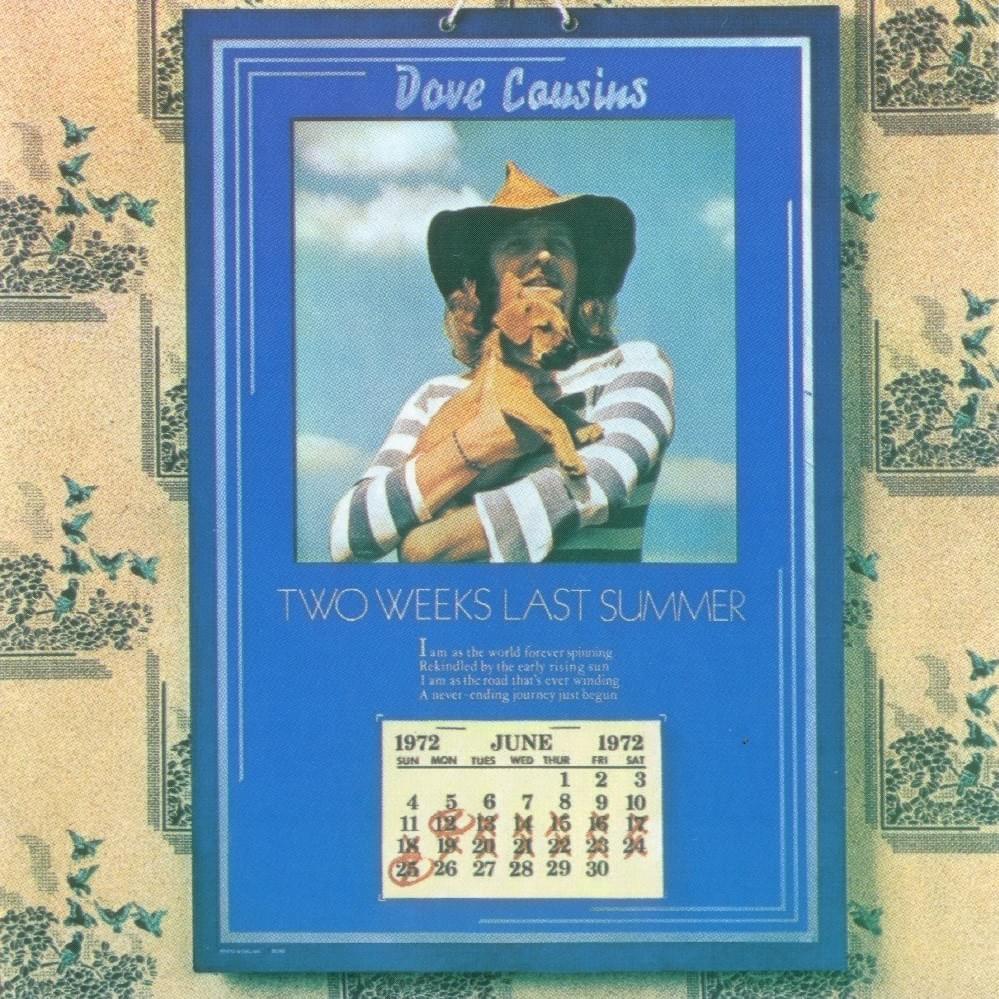
 View Artist