Song Meaning
{"song_id": 15911222, "meaning": "Dave Alvin's \"Maggie Campbell\" isn't just a song; it's a masterclass in emotional minimalism, a blues-soaked portrait of longing painted with the sparsest of lyrical strokes. The repetitive structure, far from being monotonous, acts as a kind of meditative mantra, drawing the listener deeper into the narrator's psyche. The opening lines, \"Who is that yonder comin' up the road?\" immediately establish a sense of distance, both physical and emotional. Is Maggie truly approaching, or is this a phantom conjured by the narrator's desire? The hesitation in \"it looks like Maggie, but she walking just too, slow\" hints at a deeper unease, a fear that the reality of Maggie might not match the idealized version he holds in his heart.
The narrator's descriptions of Maggie – her \"great long curly hair,\" her smile like \"lightnin' in the sky\" – are classic blues tropes, but Alvin imbues them with a raw, vulnerable quality. These aren't just superficial observations; they're the markers of a deep connection, the details that define Maggie in the narrator's world. Yet, this adoration is shadowed by the stark reality of their separation. \"My tears fell like rain when my Maggie said good-bye\" is a devastatingly simple line that speaks volumes about the pain of loss and the fragility of love.
The final verse introduces a new layer of complexity. The narrator's departure, \"I'm goin' away baby, and I won't be back 'till fall,\" suggests a search, a quest to either find Maggie or find a way to live without her. The ambiguity of \"if I find my Maggie, ya know I won't be back at, won't be back at, won't be back at all\" is the song's emotional crux. Is this a declaration of unwavering devotion, a promise to abandon everything for love? Or is it a veiled threat, a suggestion that finding Maggie might mean losing himself entirely? In its raw honesty and unflinching portrayal of human emotion, \"Maggie Campbell\" transcends the simple blues structure to become a profound exploration of love, loss, and the search for meaning."}
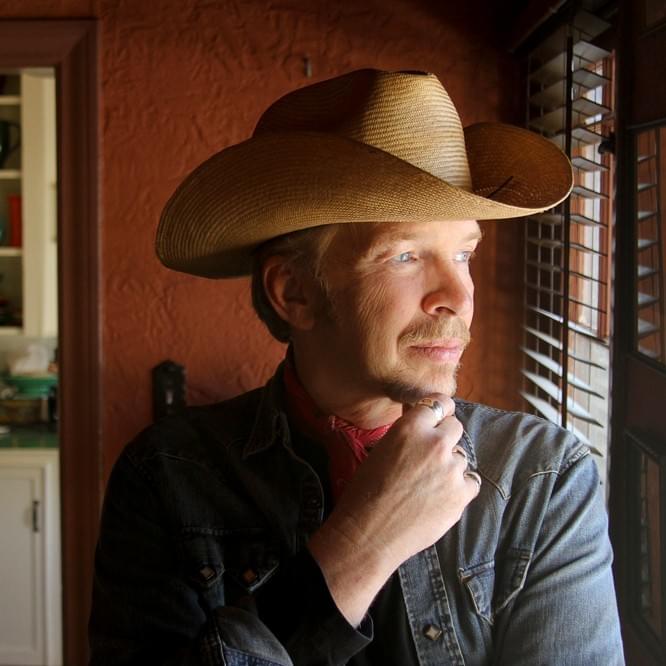
 View Artist