Song Meaning
The lyrics present a stark internal landscape where the narrator questions their own capacity for feeling, likening themselves to stone. This isn't a metaphor for strength, but for an absence of emotional response, a feeling of being "caught in a hole" and "hoping I'm overthinking." The desire to "feel it is not a system" suggests a yearning for genuine emotion over a perceived mechanical or detached existence. The narrator observes their surroundings, seeing "paint colors up the walls" as an attempt to "spread our inspirations," yet feels disconnected from this outward expression.
The central tension arises from the narrator's perceived emotional paralysis contrasted with an external world that seems to be moving and expressing itself. There's a sense of resignation, even fatalism, particularly in the lines "You are the likely cause / Of what will be my demise." This isn't presented as a dramatic tragedy, but as something "inconvenient," highlighting a detached acceptance of an inevitable end. The instruments sounding out "It's premature" adds a layer of external judgment or perhaps an internal voice questioning the timing of this emotional shutdown.
The most striking craft element is the repeated assertion, "I think I'm made of stone / I should be feeling more." This refrain encapsulates the core conflict: the self-perception of being unfeeling versus the knowledge that a greater emotional capacity is expected or desired. The bridge offers a cynical view of love as mere "face-painting" or a way to "ease the waiting / Before, dying without company," further reinforcing a bleak outlook on connection and existence. The final chorus broadens this to a collective experience: "we are all / Built out of memory / Built out of scenes," suggesting that even our identities are constructed from external inputs rather than internal feeling.
These lyrics resonate because they articulate a profound sense of disconnection and existential ennui with unflinching honesty. The contrast between the internal state of being "made of stone" and the external world's vibrant expressions creates a palpable sense of isolation. The writing avoids melodrama, instead opting for a quiet, almost clinical observation of emotional absence, making the underlying ache of wanting to feel more all the more potent. The final lines about being "built out of memory" and "scenes" leave the listener contemplating the nature of self and connection in a world saturated with external stimuli.
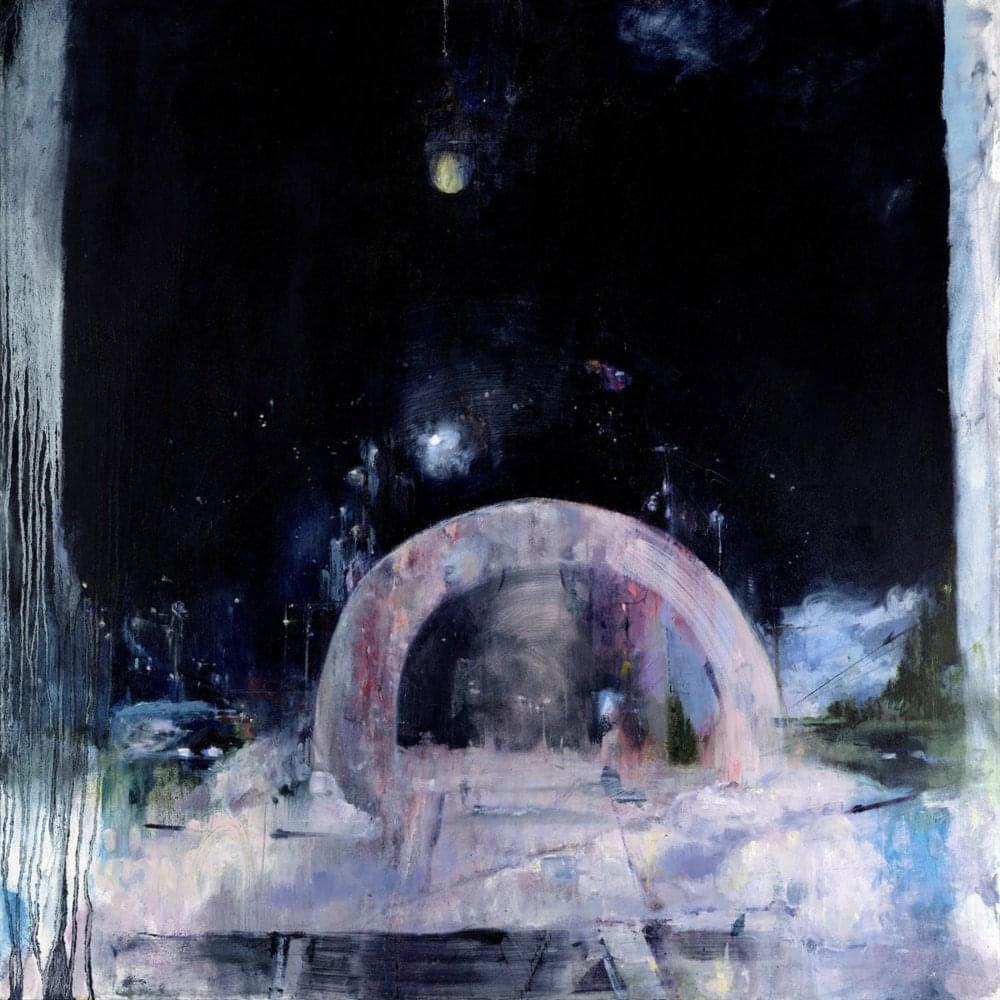
 View Artist