Song Meaning
The narrator expresses a deep yearning to inhabit the 1970s, specifically conjuring images of vibrant cultural scenes like "Blues Parties" and "Caribbean" gatherings, alongside a desire to dance to "Northern Soul." This idealized past is painted as a fertile ground for diverse musical tastes, from "Two Tone" and "Post Punk" to "New Wave" and "No Wave," all anchored by the recurring phrase "Back in the Seventies." The lyrics suggest a romanticized view of this era, seen as a foundational period for subsequent cultural developments.
The core tension lies in the narrator's perceived dissatisfaction with the present or a later era, specifically the "Eighties," which are framed as a lesser continuation of the 70s' creative peak. The lyrics argue that the "Best of the Early Eighties" was merely an "Extension of Seventies Postmodernity," implying a decline in originality or impact. This sets up a contrast between the perceived richness of the past and a less inspiring present.
The writing cleverly juxtaposes specific cultural touchstones with broader philosophical stances. The narrator wishes to be a "Fan of Fela Kuti" and a "Feminist," while also "Dancing at the Disco" and being "into YMO and DEVO." This blend of artistic appreciation, social consciousness, and engagement with the "Computer Age" paints a picture of a multifaceted, forward-thinking individual who believes these qualities were best embodied in the 70s. The phrase "Middle of the Past / And the Future" encapsulates this feeling of being at a pivotal, exciting historical moment.
Ultimately, the lyrics resonate because they tap into a common feeling of nostalgia for a perceived golden age, amplified by the specific, eclectic cultural references. The narrator's desire to "Outgrow Being a Moron?" and "Take a Look at the Seventies" suggests that this past era represents a more enlightened or authentic state of being, a peak from which subsequent times have fallen. The acknowledgment that "You'd Know It Couldn't Last..." adds a poignant layer, recognizing the ephemeral nature of such vibrant cultural moments.
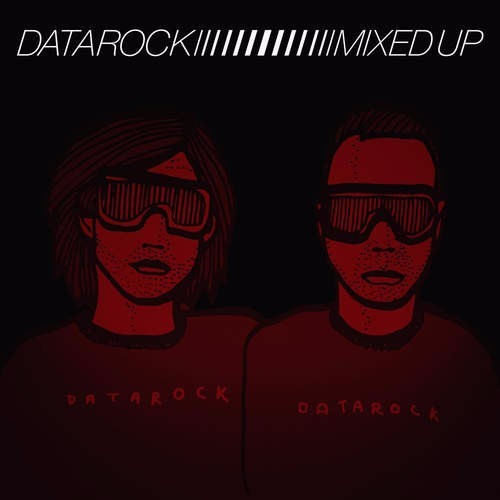
 View Artist