Song Meaning
The lyrics paint a stark picture of decay and a desperate attempt at renewal, using domestic imagery to convey a deeper emotional rot. The opening lines, "This paint has been tasting of lead," immediately establish a sense of toxic deterioration, suggesting that the very environment is harmful. This isn't just about a peeling finish; it's about a pervasive breakdown where "not just my finish that's peeling" and the walls themselves seem to be fleeing, hinting at a crumbling foundation, both literal and metaphorical.
The central tension lies in the conflict between enduring hardship and the desire for independence from a damaging connection. The chorus offers a glimmer of hope with the idea that "sooner or later this cold, it's gonna break," implying a future where things will improve and warmth will return. However, this hope is immediately complicated by the narrator's plea, "But all I want is not to need you now," revealing a core struggle to sever reliance on someone or something that has become toxic.
The most striking craft element is the juxtaposition of cleaning metaphors with emotional states. The "turpentine chaser" is a potent image; it's a harsh solvent used to clean, but also a drink with a kick, suggesting a self-destructive coping mechanism. The "fumes aid the pace of my cleaning" implies that the very act of trying to fix things is fueled by something damaging, and the goal is simply to escape once the task is done: "as soon as I'm done, I am gone." This ties into the later revelation that "new coats of paint will not reacquaint broken hearts to broken homes," underscoring the futility of superficial fixes for deep-seated damage.
Ultimately, these lyrics resonate because they articulate the painful process of confronting a toxic situation and the complex desire to break free, even if the means are self-destructive. The writing skillfully uses the imagery of a decaying home and harsh cleaning agents to represent emotional and relational breakdown, making the abstract pain of dependency and decay feel visceral and immediate. The repeated motif of things breaking, whether "cold" or "code," suggests an inevitable collapse that might finally allow for honesty, but the narrator's immediate desire is for silence, highlighting the profound difficulty of true healing and separation.
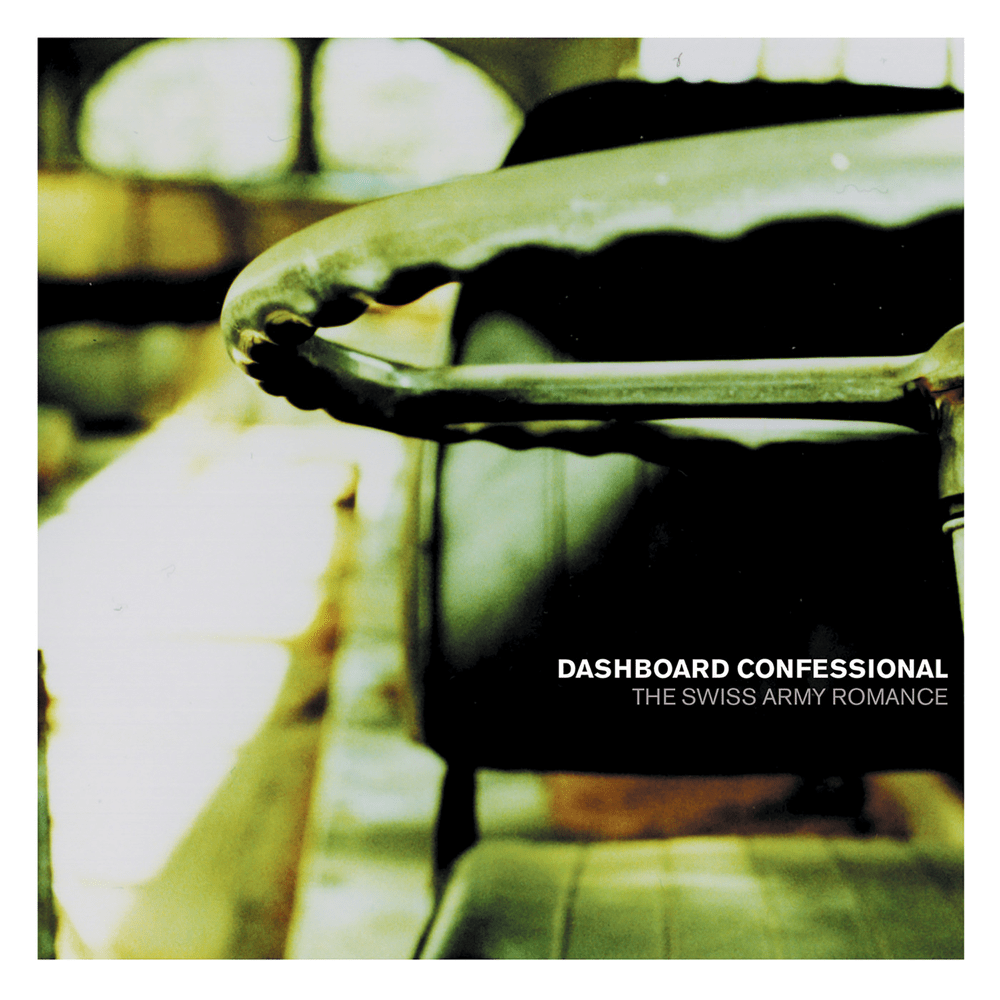
 View Artist