Song Meaning
The lyrics paint a stark picture of a relationship where one person feels utterly disposable, a pawn in the other's emotional game. The narrator begins by describing a volatile dynamic, shifting from a willing servant "your chariot horse" to a burdensome symbol of guilt "your albatross." This immediate contrast sets a tone of precariousness, suggesting the narrator's value is entirely dependent on the other person's fleeting needs or perceptions, held together by something fragile and unseen.
The core tension lies in the narrator's desperate need for genuine connection versus the other person's performative affection. The narrator questions the sincerity of the other's feelings, noting how easily faith is placed in superficial reassurances "all you hear." The repeated phrase "I'll never know" underscores a profound uncertainty about the depth of the other person's care, a void that breeds anxiety and doubt. This uncertainty is amplified by the direct accusation: "Pretending to care about me."
The most striking aspect is the narrator's internal conflict and the subtle indictment of the other's cowardice. The lyrics reveal a deep-seated fear of abandonment, even while acknowledging the shame associated with it "ashamed to be afraid." The other person is trapped by their own insincerity, unable to articulate the reasons for their detachment "Say out loud the reasons why." They are described as bearing a false promise "like a cross" and then dismantling it "tear it like frayed gauze," highlighting a painful, drawn-out process of ending things without confrontation.
What makes these lyrics resonate is the raw portrayal of emotional dependency and the quiet agony of realizing one's own insignificance to someone else. The narrator's inability to escape this dynamic "Can't help myself" is a powerful admission of vulnerability. The writing effectively captures the feeling of being trapped in a one-sided relationship, where the absence of honest communication creates a suffocating atmosphere of unspoken truths and hollow gestures.
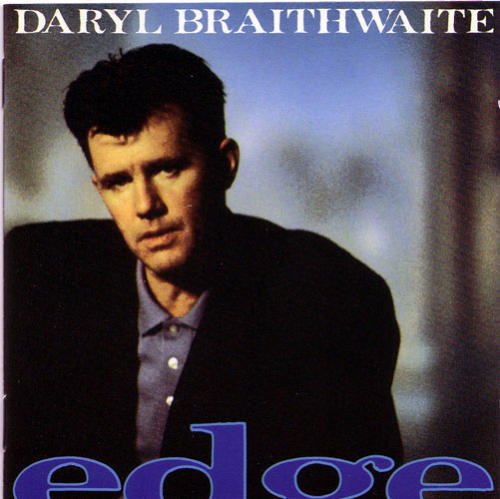
 View Artist