Song Meaning
The lyrics paint a picture of a figure possessing profound, almost ancient knowledge, referencing mythical lost civilizations like Atlantis and celestial viewpoints from "Valhalla heights." This perspective allows them to "perceive the glitches," suggesting an awareness of fundamental flaws or breakdowns in reality or history. The "glaciers" and "final remnants" evoke a sense of immense time and the fading echoes of past glories, hinting that this wisdom comes from observing the ultimate decay of great things.
The central tension seems to lie in the contrast between this deep, perhaps melancholic, understanding and the "lesser lights" who are urged to learn from it. The narrator implies that this wisdom is not easily attained, born from experiencing the end of things, like civilizations or perhaps even life itself. The cyclical nature of "lust our summers / For soul our winters" suggests a life lived in pursuit of fleeting desires versus a deeper, more enduring spiritual need, a cycle that continues until death.
The phrase "wisdom of the dead" is the core of the song's evocative power. It suggests knowledge gained not through living experience but through observing the cessation of life and civilization. The lyrics imply that true understanding comes from witnessing the ultimate consequences, the "final remnants," rather than from active participation. This perspective is presented as a stark, almost chilling, form of enlightenment, gained by observing the ultimate stillness.
This approach is effective because it grounds abstract concepts of knowledge and time in concrete, albeit mythical, imagery. The juxtaposition of grand historical/mythical settings with the starkness of "glaciers" and "dead" creates a unique emotional texture. It makes the idea of profound understanding feel both awe-inspiring and deeply somber, suggesting that the greatest insights might be found in the quiet aftermath of existence.
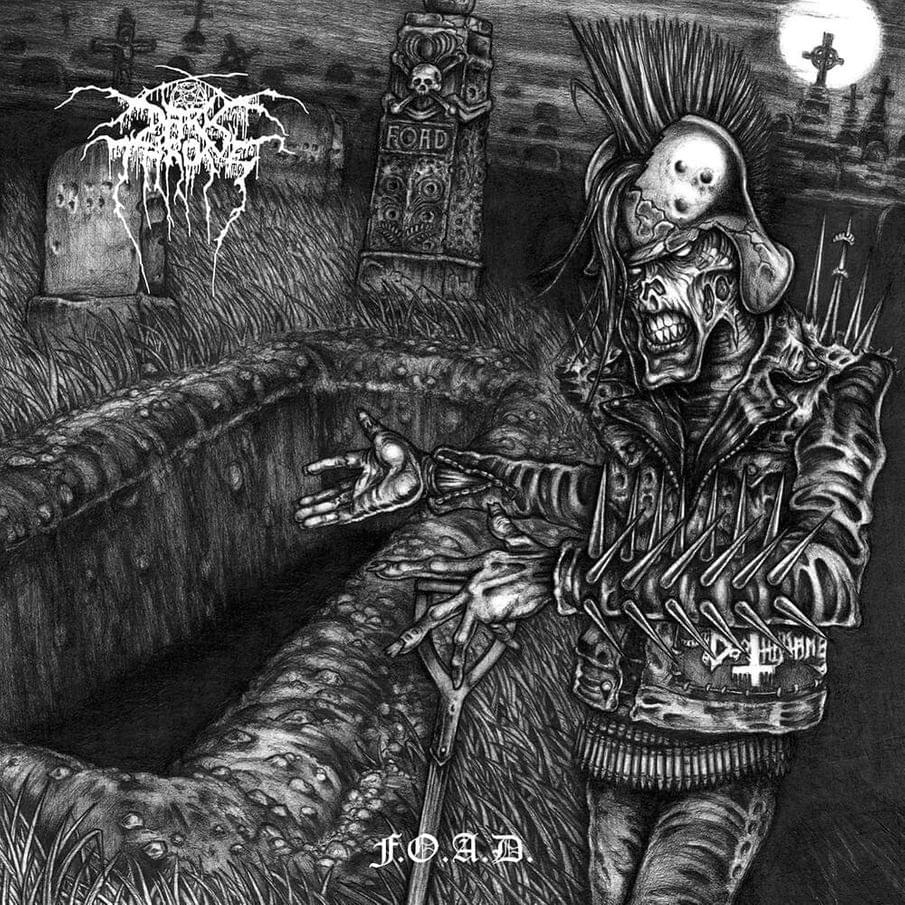
 View Artist