Song Meaning
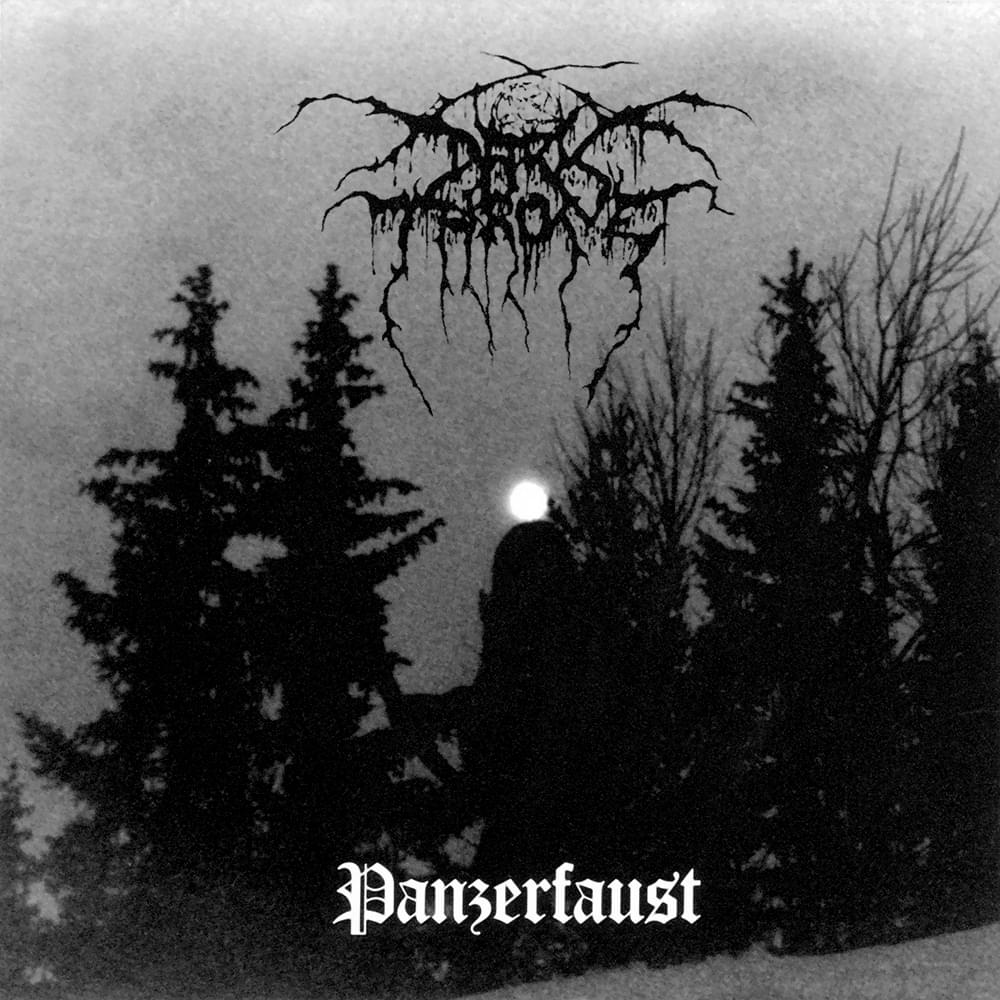
The lyrics paint a vivid picture of a deep, intrinsic connection to a specific landscape: snow and spruce forests. This isn't just a place; it's described as "heimleg" – a sense of belonging or homeliness that exists from the "fyrste stund" (first moment), even before it's consciously recognized. The narrator asserts that this landscape has an inherent place within us, a feeling that persists "heile, heile tida" (all the time).
The core tension lies in this profound, almost spiritual, embeddedness of the landscape within the individual's identity. It's a feeling that transcends physical presence, suggesting that even when "ingen ser det" (no one sees it), we carry this "snø og granskog" (snow and spruce forest) with us. This internal landscape acts as a constant "lovnad om å koma heim" (promise to come home), a pull towards a place of origin and belonging.
The most striking aspect is the way the lyrics describe the physical sensations of this connection. The act of "gå borti der, Bøyge greiner" (walking in there, bending branches) and feeling it "so det fær i ein" (so it strikes one) articulates a visceral experience of belonging. This isn't just visual; it's tactile and emotional, defining "kva det er å vara der ein høyrer til" (what it is to be where one belongs).
This deep-seated connection makes the lyrics resonate because they articulate a universal human yearning for home, not just as a physical location, but as an integral part of one's very being. The landscape becomes an extension of the self, a constant presence that shapes identity and offers an enduring sense of return, ultimately fading "i våre innlandshjarte" (in our inland hearts).
 View Artist