Song Meaning
The lyrics paint a stark picture of a community in decline, contrasting a past of relative peace and shared tradition with a present riddled with fear and superficiality. Initially, the scene is set with images of neighbors, gardens, and a time of "Økstid, Sverdtid" (axe time, sword time), suggesting a period of conflict or hardship, yet one where community bonds existed, as evidenced by the absence of plague and the presence of guests. This idyllic past is immediately undercut by the reality of "byllepestens plager" (plague's torments), implying a pervasive sickness or decay that isolates people, preventing visits and forcing even town trips to be armed expeditions. The narrator observes a shift from communal singing for oneself and ancestors to songs solely focused on improving the immediate future, a sign of desperation rather than genuine hope. This focus on the "next" rather than the "Best" underscores a loss of deeper meaning and tradition, with "Svik og løgn" (betrayal and lies) now occupying a prominent place in the world.
The central tension arises from the narrator's observation of a solitary, imposing figure amidst this decaying society. This "enøyd, høy og tynn" (one-eyed, tall, and thin) man, who visits "flere hundre menn" (several hundred men) each cold night, is presented as an outsider, yet one who moves with confidence, "sikker, stolt" (secure, proud). He is juxtaposed against the fearful populace, described as "tyredd der blant mus" (bull-like among mice), highlighting his singular strength or purpose in a world of timid individuals. His presence, however, seems to be a reaction to or a consequence of the societal breakdown, a figure emerging from the rot.
The most striking craft element is the narrator's final lament, which reframes the actions of the people. The narrator observes the solitary man wandering, shaking his head over humanity's "tap" (loss). This loss is not material but spiritual: the people have secured a place "I en ufødt tragisk himmel" (in an unborn tragic heaven) and "rotnet I Hels fred" (rotted in Hel's peace). This suggests their current actions, their pursuit of superficial comfort or their fear-driven existence, are leading them to a predetermined, tragic fate, a spiritual death rather than a true afterlife. The lyrics imply that their striving for a better tomorrow has only led them to a deeper, more profound decay, a self-imposed damnation.
These lyrics resonate because they capture a profound sense of societal and spiritual erosion. The contrast between a past that, despite its hardships, held communal values and a present consumed by fear and deceit is palpable. The imagery of the solitary, imposing figure amidst the fearful masses effectively visualizes the isolation and the emergence of powerful, perhaps destructive, forces in times of crisis. The final lines deliver a chilling commentary on the consequences of losing sight of deeper truths, suggesting that the pursuit of a hollow future leads to a spiritual rot that is the true tragedy.
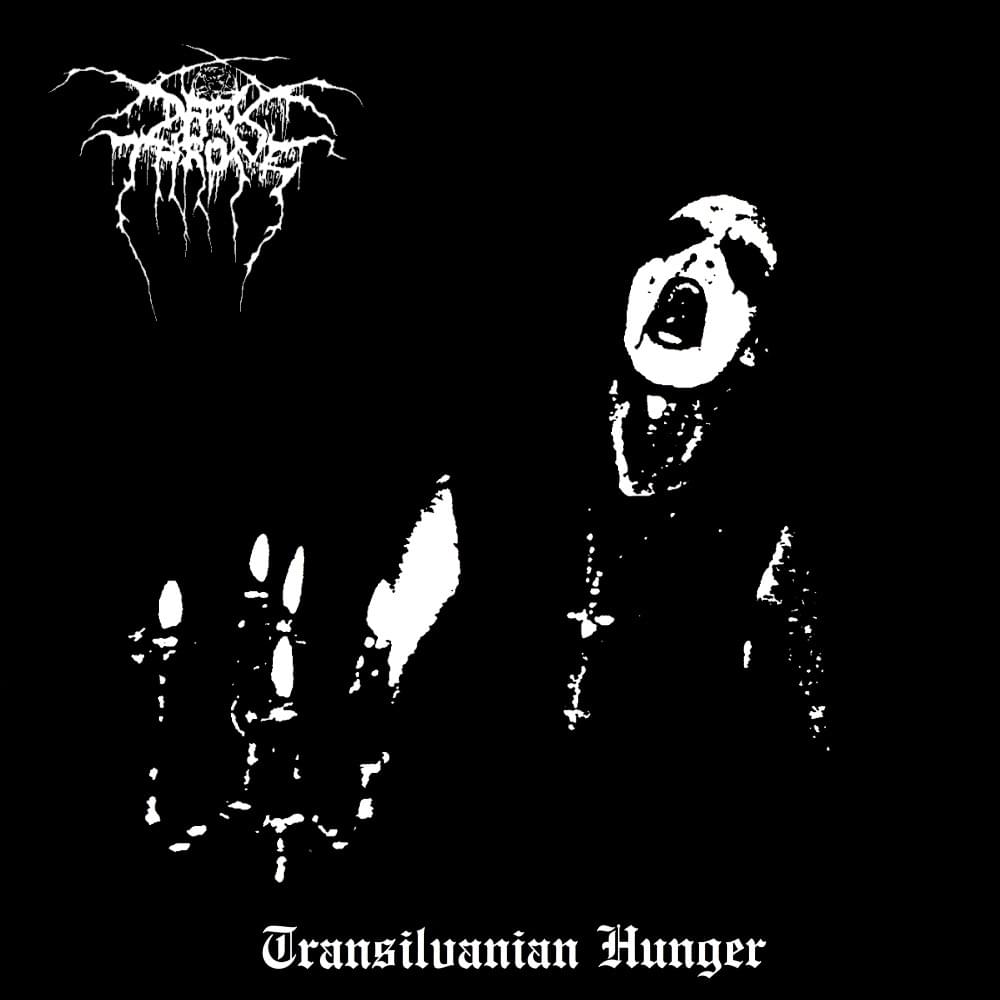
 View Artist