Song Meaning
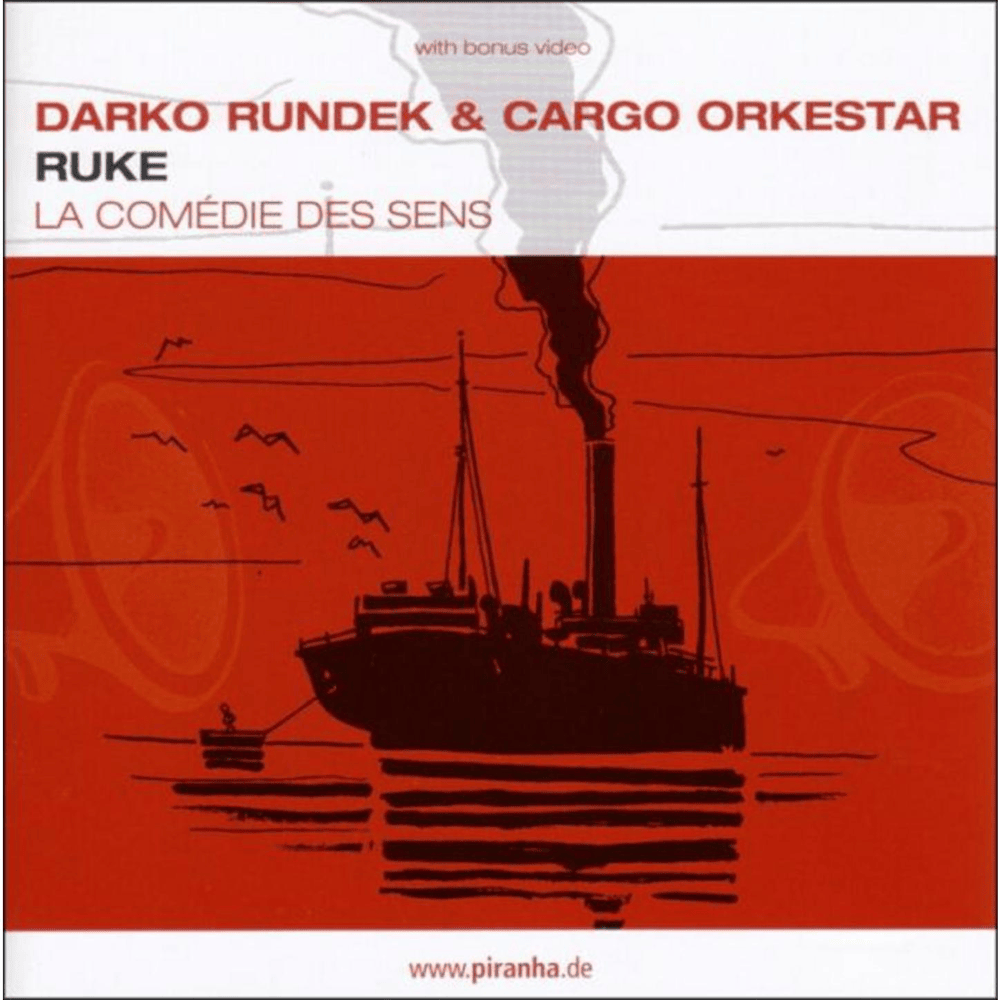
Darko Rundek's "Tigidigi rege" unfolds like a half-remembered dream, a sonic tapestry woven with threads of nostalgia and bittersweet longing. The song's power lies not in grand pronouncements, but in its subtle evocation of a specific emotional landscape – one where the past and present blur, and hope flickers amidst the ruins of what might have been. The opening verses paint a picture of unexpected reunion and rekindled warmth. Encounters with long-lost faces trigger a rush of feeling, a shared sense of connection that transcends the intervening years. Rundek masterfully captures the disorienting yet comforting sensation of slipping back into familiar patterns, of finding solace in the echoes of shared history. The image of the young moon sailing across the Sava River adds a layer of romanticism, hinting at a potential for renewal and second chances. The line "Duša beznadna a srce nema dna" (The soul is hopeless but the heart has no bottom) encapsulates the song's central tension: a deep well of emotion struggling against a backdrop of resignation.
The ethereal chorus, a playful "Jam diri diri diri, jam diridiridiriri," acts as both a bridge and a counterpoint to the verses' introspective mood. It's a moment of lightness, perhaps a fleeting escape from the weight of the past, yet the nonsense syllables also possess a haunting quality, suggesting the ephemeral nature of joy and connection. The mention of angels spreading their wings and women dressing for a ball evokes a sense of celebration and possibility, but this is quickly tempered by the understated admission: "I moja nikad nije ljepša bila / A na reveru Tamni jorgovan" (And mine has never been more beautiful / And on the lapel a dark lilac). The dark lilac, a symbol of first emotions of love, hints at a lingering connection to a past love, a relationship that perhaps still holds a powerful sway.
The final verses shift into a direct address, a plea to a former lover. The question "I da li me to vara osjećaj / Ili si me zaboravila" (And am I deceiving myself / Or have you forgotten me) lays bare the vulnerability beneath the song's surface. There's a palpable fear of being forgotten, of being erased from the other person's memory. The closing lines, "Pusti nek te nosi (zaborav) / Ali znaj / Da je sad već prekasno za kraj" (Let oblivion carry you / But know / That now it's too late for the end), are both a surrender and a defiant assertion. Even if oblivion threatens to engulf them, the singer insists that the story isn't over, that the connection, however frayed, still endures. "Tigidigi rege" ultimately becomes a poignant meditation on the enduring power of memory, the complexities of love, and the bittersweet beauty of unfinished stories.
 View Artist