Song Meaning
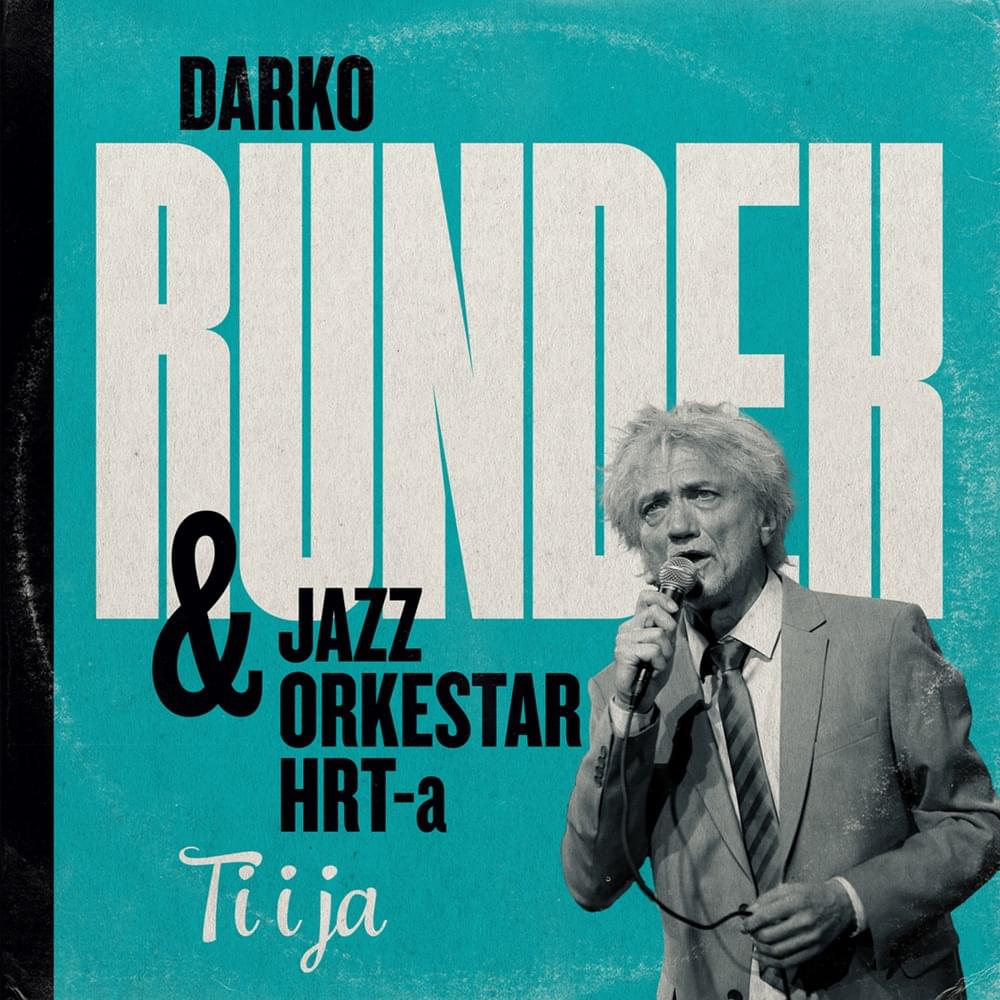
Darko Rundek's "Ti i ja" unfolds like a late-night reverie, a hushed conversation between two souls navigating the quiet intimacy of shared space. The song meaning resides not in grand pronouncements, but in the delicate observation of small details: the rain falling softly, the curve of an ear, the proximity that speaks volumes. The opening lines establish a scene of urban solitude, a couple wandering the deserted streets while a gentle rain washes over them. This shared vulnerability, exposed to the elements and the lateness of the hour, strips away pretense, allowing for a deeper connection. Rundek highlights the beauty in simplicity, finding profundity in the mundane.
The shift in the second verse elevates the experience beyond the physical. The image of floating naked above the wet rooftops suggests a transcendence, a shedding of earthly concerns. This is more than just physical intimacy; it's a shared dreamscape, a merging of consciousness where age and worry fade away. The "soft images" pulling them toward sleep hint at a desire to escape the harsh realities of the waking world, to linger in the safety and comfort of each other's presence. The repetition of "Ti i ja/Toi et moi" (You and I/You and Me in French) reinforces the central theme of unity, a bond that transcends language and culture.
Ultimately, "Ti i ja" is a celebration of connection in its purest form. The closing repetition, punctuated by the almost primal "Stihija, oh," suggests an untamed force, the raw energy of love and shared experience. It's a reminder that in the midst of a chaotic world, the simple act of being present with another person can be a powerful act of defiance and a source of profound peace. The song's beauty lies in its understated elegance, its ability to evoke a sense of intimacy and longing with minimal instrumentation and carefully chosen words.
 View Artist