Song Meaning
This track paints a grim, almost nihilistic picture of conflict and power. It opens by rejecting traditional notions of unity and even salvation, framing existence as a "romanticized failure." The dominant feeling is one of bleakness, where "bloodlust" isn't just an external force but an intrinsic part of existence, both "incarnate" and "eternal." The lyrics suggest a cycle of violence driven by profit and forgotten ideologies, leading to a "pioneer's harvest" on land that belongs to no one.
The central tension lies in the narrator's relationship with this pervasive violence and the figures who perpetuate it. They describe themselves as having "drank their blood and lived a thousand lives," implying a deep, perhaps consuming, immersion in this destructive world. This experience leads to a paradoxical state of being: "now I am never forever," a chilling declaration of eternal impermanence. The "flesh and the flowers of death" are presented as a perverse form of glory, bestowed by "tyrants" and "lovers of power."
The most striking aspect is the inversion of natural order and morality. The narrator explicitly "curses" the light of the sun and "hails the darkness" and the "unholy." This isn't just a preference for the night; it's a complete rejection of conventional good and a fervent embrace of the destructive forces that define their reality. The "savage recital of war hymns forgotten" highlights how these violent acts are ritualistic, echoing past atrocities without true understanding or purpose, serving only those who profit.
What makes these lyrics so potent is their unflinching gaze into a void of meaning and morality. The stark, declarative sentences and the relentless repetition of "bloodlust" create a suffocating atmosphere. The narrator's final embrace of darkness, coupled with the image of the moon continuing to rise, suggests an acceptance of this grim reality as the only truth, a chilling testament to the enduring power of destructive cycles.
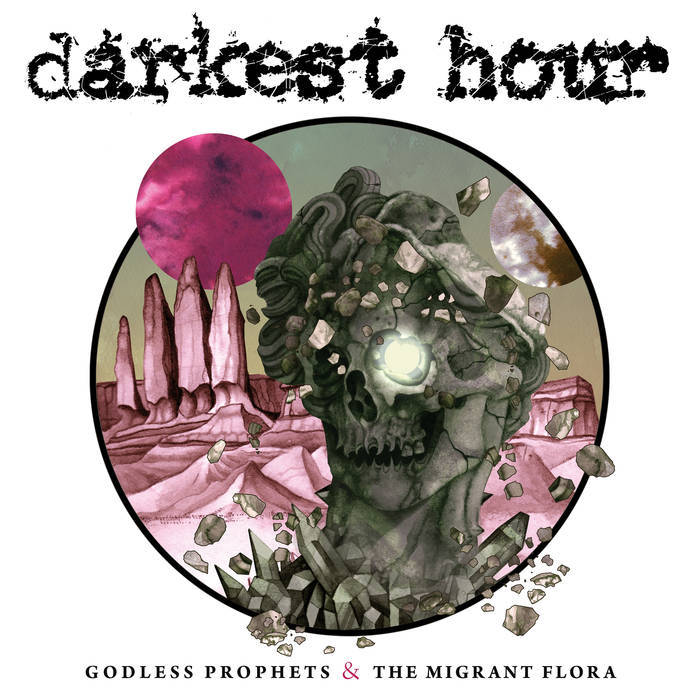
 View Artist