Song Meaning
The narrator is caught in a suffocating state of apathy, struggling to find meaning or direction. They describe swimming through "a false consciousness" and waiting "aimlessly" for an answer that never arrives. This profound inertia is amplified by a sense of overwhelming darkness and pain that obscures their vision, making any forward movement feel impossible. The dominant feeling is one of passive despair, a deep weariness with the present.
The central tension arises from the narrator's desire for an end to their suffering versus the futility of their wishes. They explicitly state, "I wish this world would be over," but immediately acknowledge, "my wishes are obsolete." This creates a poignant conflict between a desperate yearning for release and the crushing realization that their desires hold no power. The lyrics highlight a profound disconnect between internal longing and external reality, leaving the narrator trapped in a state of perpetual, unfulfilled anticipation.
The most striking aspect of the writing is the stark contrast between the "world of darkness" the narrator inhabits and their paradoxical "looking forward to the end." This inversion of typical hope and aspiration is deeply unsettling. The repeated phrase "Waiting for it to come to me" underscores a passive resignation, yet this is juxtaposed with the desperate, almost primal "Grasp for life / Grasp for air." These final, fragmented images suggest a flicker of instinctual survival beneath the overwhelming sense of hopelessness.
This lyrical construction effectively conveys a profound sense of existential exhaustion. The passive waiting and the acknowledgment of obsolete wishes paint a picture of someone utterly drained, unable to initiate change. The unexpected turn towards anticipating the end, rather than seeking a solution, powerfully communicates the depth of their despair and the feeling that the only conceivable resolution lies in cessation, not in progress.
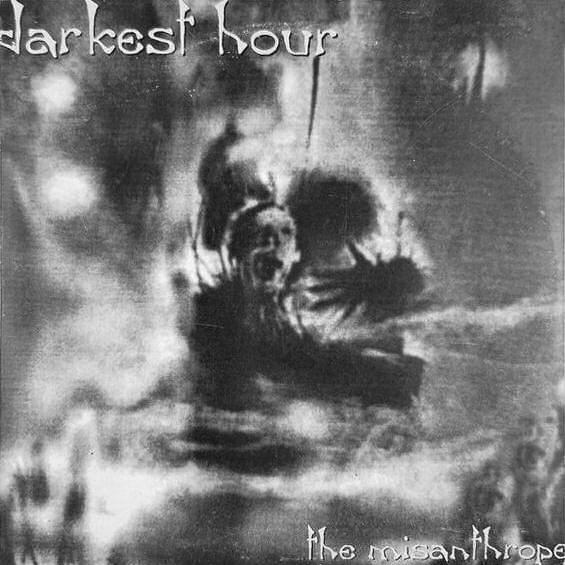
 View Artist