Song Meaning
The lyrics paint a picture of profound disillusionment with the current state of humanity, suggesting a desperate, almost violent, urge for radical change. The narrator perceives a world that has become stagnant and superficial, where genuine experience has been replaced by manufactured entertainment and a relentless pursuit of novelty that yields nothing new. This sense of ennui is so pervasive that it breeds a desire to "erase to rebuild and reclaim," a call for a complete societal reset.
The central tension arises from the narrator's rejection of the status quo, articulated as "I reject you in the name of us all." This declaration is fraught with a complex emotional undercurrent; the narrator admits they "should be afraid" and "ashamed," hinting at the transgressive nature of their stance. Yet, this fear is overridden by a profound detachment, a feeling of "nothing at all," which fuels the desire to escape the perceived banality of existence. The lyrics suggest this detachment is a response to a lack of genuine discovery, leading to a "hallucinate[d]" pursuit of "psychic progression" or a descent into a "monolithic realm."
The most striking aspect of the writing is its stark, almost nihilistic imagery, particularly the repeated motif of the "knife." This symbol is twisted from its violent connotation into something to be "worship[ped]" and used to "celebrate death." This jarring juxtaposition highlights the narrator's extreme alienation, where the only perceived path forward, or perhaps escape, involves a ritualistic embrace of destruction and finality. The phrase "Worship the knife" paired with "Celebrate death with your celibate wife" creates a chilling image of sterile, joyless finality.
Ultimately, these lyrics resonate because they tap into a deep-seated frustration with a world that can feel overwhelming and meaningless. The narrator's extreme pronouncements, while bleak, offer a cathartic expression of that feeling. The raw, unsparing language, especially the repeated "I don't feel anything at all," captures a specific kind of emotional exhaustion that many can recognize, even if they don't share the narrator's radical proposed solution.
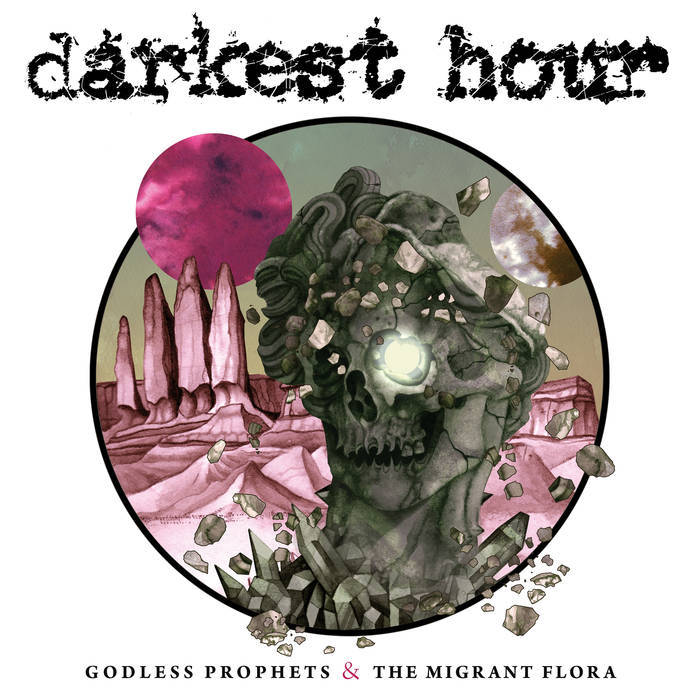
 View Artist