Song Meaning
The lyrics open with a stark image of collective struggle, "throw ourselves / Like rocks against the heavens," immediately establishing a sense of futile defiance. There's a yearning for escape, a "higher ground," but also an unsettling awareness of an internal, "self destructive code." This sets a tone of desperate striving against both external forces and inherent flaws.
A core tension emerges between this outward struggle and an internal, almost genetic predisposition to self-sabotage. The phrase "Weaved within the nervous system / Of the blood" suggests these "dormant fragments" are deeply ingrained, an inescapable part of existence. This internal conflict drives the search for a paradoxical sanctuary: "Into the emptiness / Where fires cannot feed." It's a place beyond destruction precisely because there's nothing left to burn, a chilling vision of peace through absolute void.
The imagery shifts to a shared, desolate landscape with "We nod at each other / From across the open plain grave." This stark visual implies a collective, almost resigned acceptance of mortality or profound loss. The subsequent line, "And go to memories / To visit our own lives," suggests a detachment from the present, a retreat into the past as the only way to experience a sense of being alive. It paints a picture of existence lived more in reflection than in current experience.
Amidst this collective struggle and internal void, a singular, profound intimacy surfaces. "You carry my life / Inside you my only witness" reveals a deep, almost symbiotic connection, where one individual holds the very essence of another's existence. The repeated refrain, "Into the emptiness / Where fires cannot feed," culminates with a crucial shift: the "burden of another name" transforms into the "burden of love, alive." This suggests that even in the ultimate refuge from destruction, love remains a potent, perhaps heavy, but undeniably living force, a testament to its enduring power even in the void.
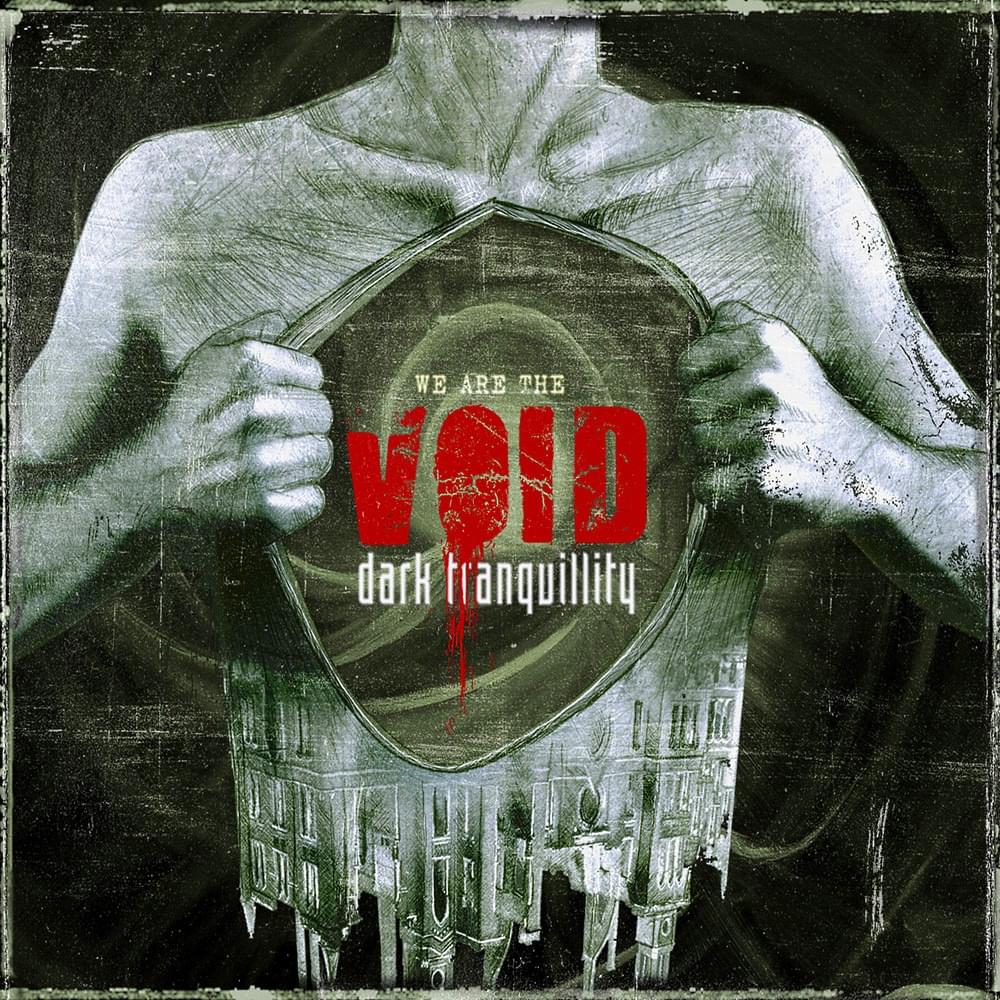
 View Artist