Song Meaning
The lyrics paint a picture of a profound, almost violent, shedding of old perceptions. The opening lines suggest a world where truth has dissolved, leaving behind a sense of disorientation. The narrator actively rejects a supposed "blissful rapture," indicating a desire to confront reality rather than escape it. This sets the stage for a radical reawakening, where the familiar structures of time and reason are deliberately washed away.
The central tension lies in the deliberate abandonment of logic and judgment in favor of an unmediated experience. Phrases like "Drench logic, drench judgement" are repeated, emphasizing this commitment to a raw, sensory perception. The idea of knowing "no tomorrow" and seeing "yesterday... in fragmented form" highlights a focus on the immediate present, a state where past and future lose their conventional meaning. This is a deliberate choice to exist outside of linear time, embracing a state of perpetual renewal.
The imagery of the "spring of Eden" and the "fountain everlasting" is subverted by the command to "drown." This isn't about eternal life in a traditional sense, but about total immersion and dissolution into a primal state. The "Bacchi gates" suggest a wild, ecstatic entry into this new consciousness, a release from the constraints of the old world. The land itself is presented as deceptive, implying that conventional understanding is a form of illusion that must be overcome.
Ultimately, these lyrics are effective because they articulate a powerful desire for authentic experience, even if it means confronting chaos. The repeated commands and the stark imagery create a sense of urgent transformation. The narrator seems to be embracing a destructive yet ultimately regenerative process, finding a "newfound strength" by letting go of all that previously defined them. It’s a visceral call to break free from the "error" of falsehood and awaken to a more fundamental reality.
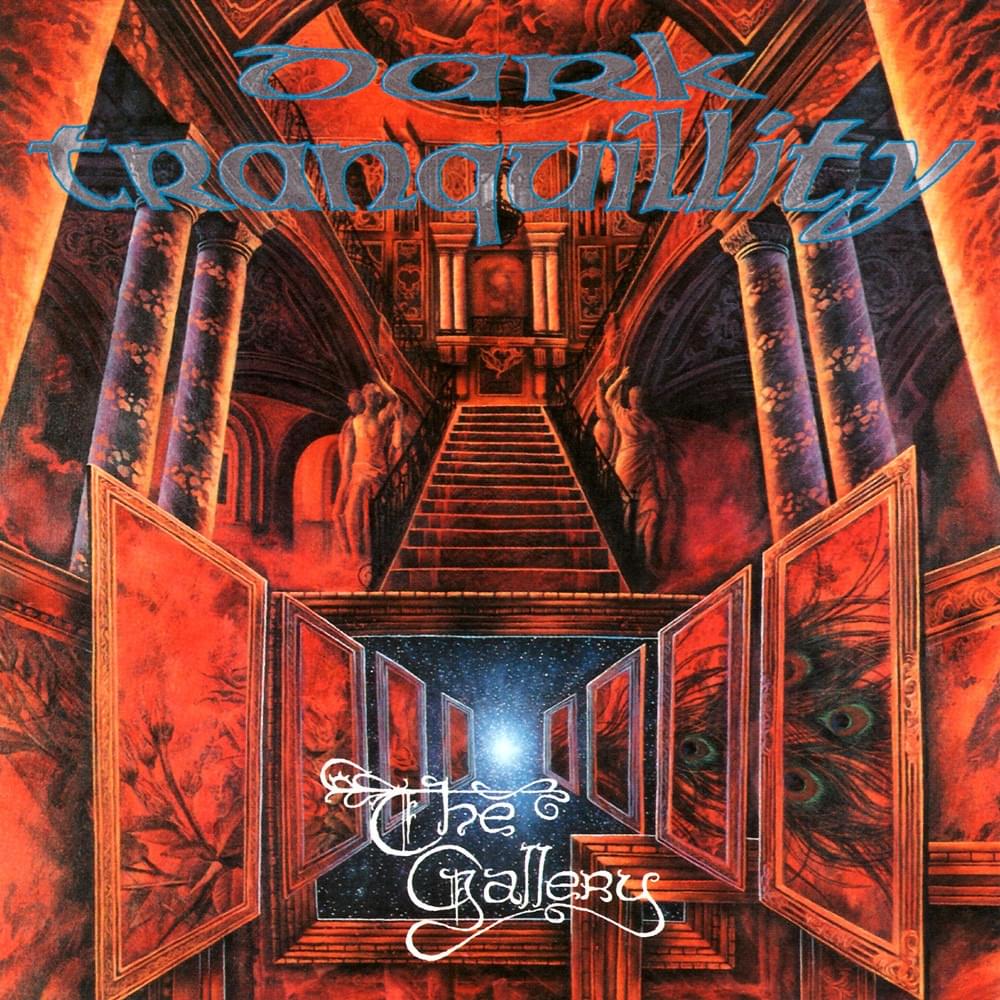
 View Artist