Song Meaning
The lyrics paint a picture of profound internal conflict and a desperate yearning for escape. The opening lines immediately establish a theme of willful blindness, where the narrator acknowledges a "falseness" that others "refuse to see." This sets a tone of alienation, as if the narrator is aware of a hidden truth or flaw that isolates them from the world. The imagery shifts to a cleansing, almost violent rebirth through "crystal fire," suggesting a desire to purge this perceived falseness and emerge anew, even if it means destruction.
The central tension seems to lie between a desire for purification and an embrace of destructive forces. The narrator calls to be "fill[ed] with hatred" and to have their life "bring life to the soil," a stark contrast between destruction and fertile renewal. This duality is further emphasized by the "messenger of pain" and "commander of my sorrow," figures that embody suffering but are also presented as agents of transformation. The concept of "infinity is eternal - never born so it may never die" introduces a philosophical layer, hinting at a cyclical existence where death is not an end but a transition.
A striking element is the juxtaposition of sacred and profane imagery. The narrator is "baptised in the first gnawing rays from a blackened sun" and curses in the "name of my blood," invoking a dark, inverted spirituality. This is contrasted with a plea for shelter "under the trees" and "twilight wings," suggesting a longing for natural solace amidst spiritual turmoil. The narrator's "broken body is dripping with sin," yet they seek refuge and salvation, highlighting a deep sense of guilt and a desperate hope for redemption or at least escape.
The lyrics achieve their power through this relentless oscillation between despair and a fierce, almost ecstatic embrace of annihilation and rebirth. The narrator bids "farewell to this godforsaken land" and joins "riders on the horizon" who are both "blood" and "saviours." This paradoxical salvation involves being taken "down to the land I know not," crushed, and then rebuilt. The final lines introduce an "angel of my lust" tasting "shame," suggesting that even in this transformative process, the narrator's deepest desires are intertwined with guilt and self-condemnation, making the escape both a violent act of self-creation and a surrender to darker impulses.
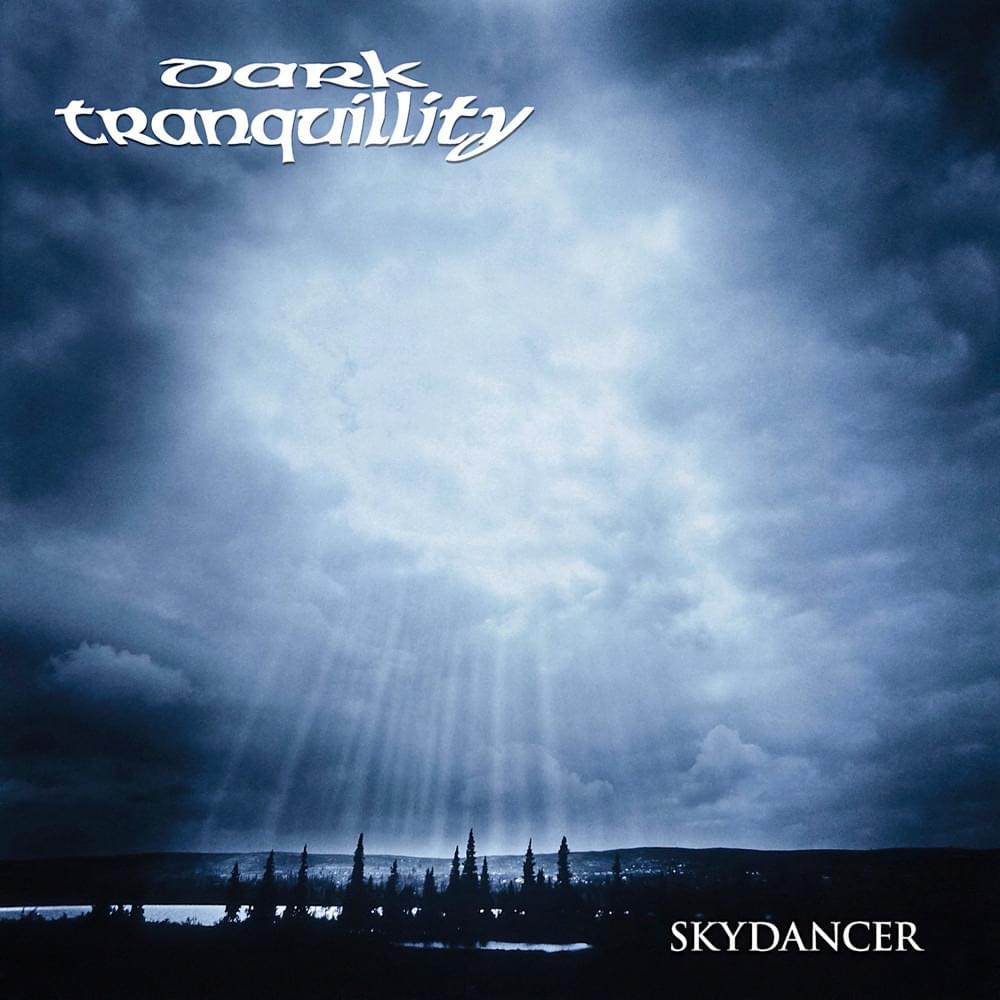
 View Artist