Song Meaning
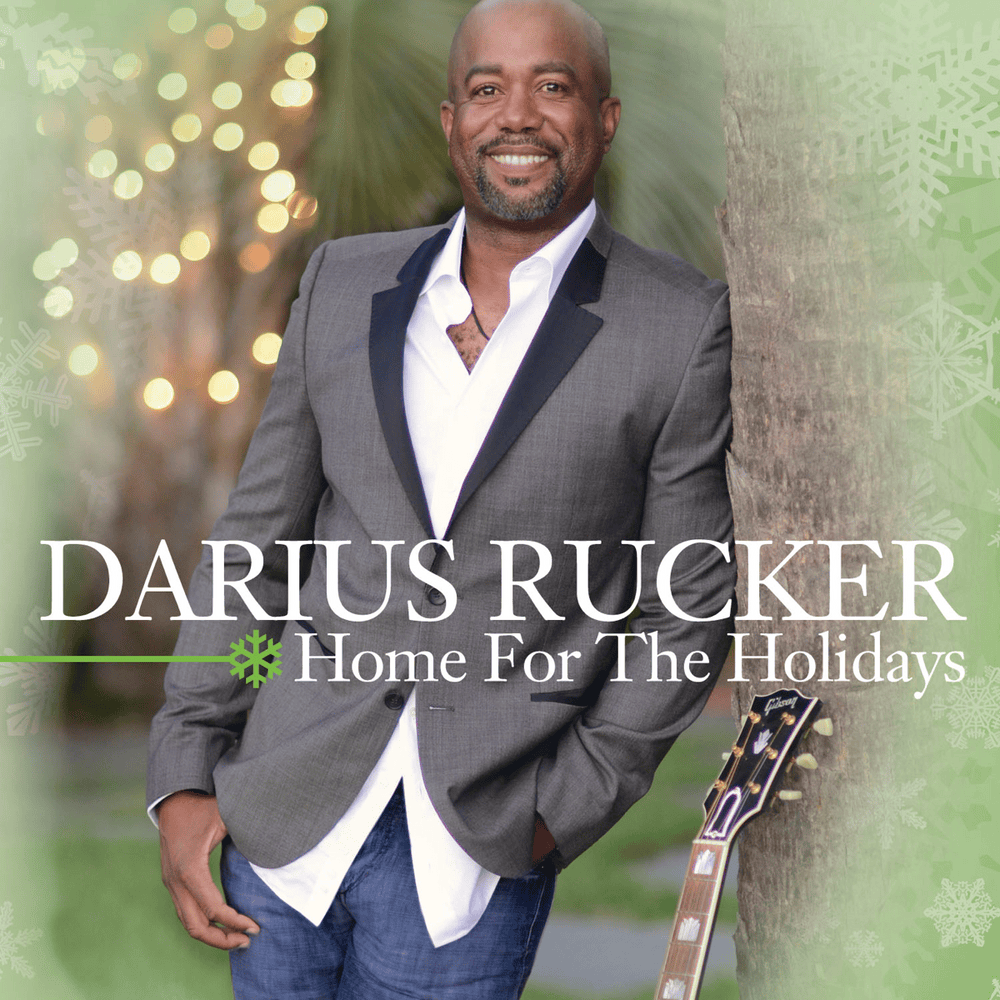
Darius Rucker's rendition of "O Come, All Ye Faithful" arrives not as a radical reinvention, but as a heartfelt embrace of tradition. The song, a cornerstone of the Christmas canon, transcends mere religious dogma, tapping into a primal human need for communal joy and shared reverence. Rucker, with his signature warmth, invites us not just to passively listen, but to actively participate in a collective act of adoration. The repetition of "O come, let us adore Him" serves as a hypnotic mantra, drawing the listener deeper into a state of contemplative celebration. It’s a call to shed the cynicism and anxieties of the modern world, and to momentarily bask in the simplicity of faith and fellowship.
The lyrics themselves, steeped in biblical imagery, paint a vivid picture of the Nativity. The choirs of angels, the glory to God, and the appearance of the Word in flesh—these are not just theological concepts but powerful symbols that resonate on a deeply emotional level. The song’s meaning lies not just in its literal interpretation, but in its ability to evoke a sense of wonder and awe. "Born the King of Angels" isn't just a statement of belief; it's an invitation to acknowledge something greater than ourselves, a force that inspires hope and inspires unity. Rucker’s delivery amplifies this sentiment, transforming a familiar hymn into a personal invitation.
Ultimately, Darius Rucker's interpretation of "O Come, All Ye Faithful" is a reminder of the enduring power of music to connect us to something larger than ourselves. The song's meaning resides in its capacity to foster a sense of collective belonging, inviting listeners to set aside their differences and unite in a shared experience of joy and reverence. It's a testament to the enduring appeal of tradition, and a reminder that even in the midst of a chaotic world, there is still room for faith, hope, and the simple act of adoration.
 View Artist