Song Meaning
The lyrics paint a picture of profound sorrow, centered on the narrator's lament for a lost or absent "colombe" (dove) or "tourterelle" (turtledove). The scene is set at dusk, with the narrator hearing a plaintive voice, seemingly that of the bird, from the branches of darkening elm trees. This voice, described as singing "grave et pure" (grave and pure), mixes with the murmuring of water, creating an atmosphere of melancholic beauty. The narrator questions what storms might have carried this "bel oiseau" (beautiful bird) away, likening its flight to that of wandering clouds, and wonders if the calmed winds have left it stranded.
The central tension arises from the narrator's deep personal grief, projected onto the absent turtledove. The lyrics explicitly state, "C'est ici la vallée de mes larmes" (Here is the valley of my tears), framing the natural landscape as a reflection of their inner desolation. The narrator sees the bird's perceived distress – its "plaintive voice" and "sad complaint" – as mirroring their own pain, asking, "Quelle flèche vous a blessé?" (What arrow has wounded you?). The plea, "Demeurez avec moi, dans ma vallée" (Remain with me, in my valley), solidifies the connection between the narrator's sorrow and the imagined plight of the bird.
The most striking craft element is the extended metaphor of the turtledove as a vessel for the narrator's own emotional state. The bird's journey, its potential abandonment by the winds, and its mournful song are all interpreted through the lens of the narrator's tears and woundedness. The contrast between the "pure" sky and the narrator's "valley of tears," and the image of the sun leaving its rays in the sky while the narrator weeps below, highlights this profound sense of loss. The narrator's final, desperate plea for the bird to stay suggests a deep-seated need for companionship in their sorrow, or perhaps a fear of being utterly alone in their grief.
These lyrics resonate because they masterfully externalize internal pain. The natural imagery, while beautiful, is imbued with the narrator's sadness, making the landscape itself a participant in their lament. The tender, almost desperate address to the turtledove creates an intimate portrayal of loneliness and the human tendency to seek solace or understanding in the natural world, even projecting one's own suffering onto it. The writing effectively captures a feeling of profound, quiet despair, amplified by the beauty of the twilight setting and the plaintive song of the unseen bird.
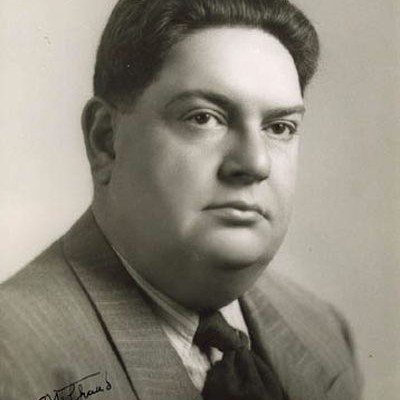
 View Artist